Wondering whether a rowhouse or condo makes more sense in Columbia Heights? You are not alone. This neighborhood gives you a real choice between classic attached homes on quieter residential blocks and condos close to Metro, shopping, and daily conveniences. If you are trying to balance budget, lifestyle, maintenance, and long-term fit, this guide will help you sort through the tradeoffs. Let’s dive in.
Why this choice matters in Columbia Heights
Columbia Heights is one of those D.C. neighborhoods where both options feel natural. The area developed with a mix of historic rowhouses, small apartment buildings, and later transit-oriented density, especially around the commercial corridors near 14th and 16th Streets.
That mix still shapes the neighborhood today. You can find rowhouses that feel more tucked into the residential fabric, while condos often cluster closer to the Columbia Heights Metro and the neighborhood’s major retail core. In other words, your housing choice here often reflects how you want to live day to day.
Recent value benchmarks also show why buyers pay close attention to the area. Zillow placed the Columbia Heights home value index at $602,789 as of April 30, 2026, while Redfin estimated the neighborhood at $653,600 in March 2026. These numbers are best used as broad market context, not as pricing for any specific home.
Rowhouse lifestyle in Columbia Heights
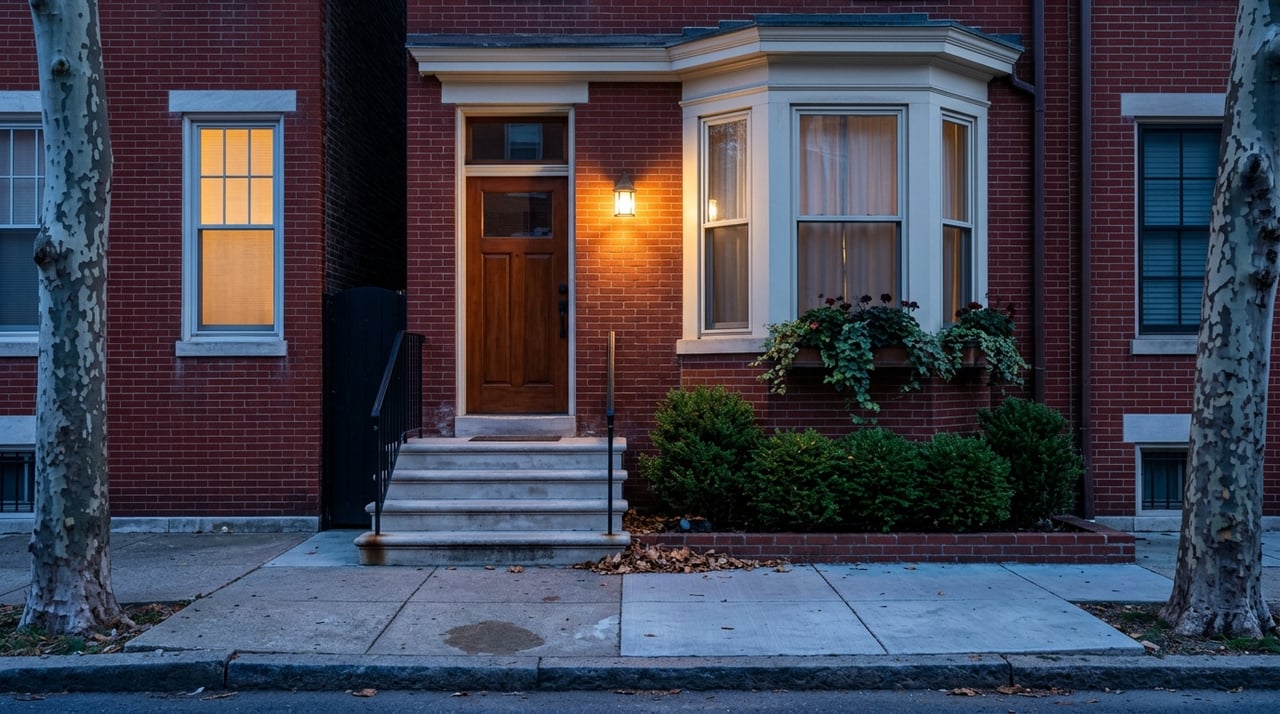
A rowhouse often appeals to buyers who want a more house-like ownership experience. In Columbia Heights, that can mean living on a quieter side street with more separation from the busiest shopping and transit activity.
You may also be drawn to the architectural character that rowhouses bring. The neighborhood has deep roots in attached residential development, and that historic fabric is still a major part of its identity.
For many buyers, the biggest draw is control. A fee-simple rowhouse usually gives you more say over how you maintain the property and use the space, without the added layer of condo association governance.
When a rowhouse may fit you best
A rowhouse may be the better match if you value:
- More autonomy over the property
- A quieter residential setting
- A stronger sense of separation from high-traffic retail areas
- A homeownership experience that feels more independent
- Character and a more traditional D.C. housing style
That does not automatically make it the better financial choice. It simply means the value proposition is different. You are usually taking on more direct responsibility in exchange for more control.
Condo lifestyle near Metro and retail
A condo in Columbia Heights often works well for buyers who want convenience built into their routine. The Columbia Heights Metro station at 14th and Irving is served by the Green and Yellow lines, and WMATA notes that the station is within walking distance of shopping and local eateries.
That convenience is a major selling point in this neighborhood. The area around DC USA includes major retailers such as Target, Marshalls, Best Buy, Giant, and Lidl, which can make errands much easier without relying on a car.
For some buyers, that walk-to-everything setup is the point. If you want a more streamlined daily routine and less hands-on upkeep, condo living can be a strong fit.
When a condo may fit you best
A condo may be the better match if you value:
- Quick access to Metro
- Easy errands and retail convenience
- Lower day-to-day maintenance
- A more lock-and-leave lifestyle
- Shared amenities and building services
Columbia Heights also offers public amenities that support both housing choices. Near the Metro, the Columbia Heights Community Center includes a fitness room, computer lab, gymnasium, recording studio, dance studio, playground, spray park, and basketball court. That can matter if you want nearby recreation without depending on private outdoor space.
Maintenance and monthly costs
One of the biggest differences between a rowhouse and a condo is how upkeep gets paid for. With a rowhouse, you are typically responsible for repairs and maintenance directly, from smaller fixes to larger expenses like roofing or major systems.
That means your budget needs to account for more than the mortgage. The Consumer Financial Protection Bureau advises homeowners to budget separately for maintenance, repairs, and utilities, which is especially important when you own the structure itself.
With a condo, the math works differently. Monthly dues are usually part of the ownership model, and those fees often help cover exterior and common-area maintenance, along with items such as water, sewer, trash, insurance, amenities, and reserve funding.
Budget questions to ask yourself
Before you choose, ask yourself:
- Do you want to manage repairs yourself?
- Are you comfortable setting aside cash for future major maintenance?
- Would you rather pay monthly dues in exchange for shared upkeep?
- How much of your monthly payment can you comfortably dedicate to housing?
This is where list price can be misleading. A condo may have a lower purchase price than a rowhouse, but the total monthly payment can still be higher once you add condo dues. The CFPB notes that your full monthly housing cost may include principal, interest, property taxes, mortgage insurance, homeowner’s insurance, and HOA fees.
Condo rules and governance
If you are comparing a rowhouse to a condo, governance is a major factor. A condo comes with an association structure that collects fees, maintains common areas, and sets rules for the community.
Those rules can affect what you do with the property. Buyers should review condo documents carefully because changes such as exterior painting, landscaping, or structural work may require approval.
In Washington, D.C., condo governance is shaped by the Condominium Act. The District’s condominium bill of rights says unit owners have the right to attend annual association meetings and inspect meeting minutes. That formal governance can be useful, but it is very different from owning a fee-simple rowhouse.
What to review before buying a condo
If you are considering a condo in Columbia Heights, review:
- Monthly dues
- Reserve funds
- Association bylaws and rules
- Any planned capital projects
- Any potential or pending special assessments
- Insurance coverage at the project level
Special assessments deserve close attention. The CFPB notes that condo or HOA boards may levy one-time assessments for major expenses, such as structural repairs or replacing common systems. Strong reserves can help reduce the risk of sudden large costs.
Financing differences matter
Financing is another area where rowhouses and condos can diverge. A typical fee-simple rowhouse usually has less building-level underwriting friction because the lender is primarily focused on the property and borrower.
Condos add another layer. Depending on the loan type, the project itself may need to meet approval or eligibility standards related to legal compliance, insurance, financial condition, title, litigation, and physical condition.
For example, HUD says FHA-insured condo loans generally require an FHA-approved project or single-unit approval in some cases. The VA also requires the condominium project to be approved before units are eligible for VA loan guaranty.
Conventional financing also looks at the project. Fannie Mae says condo projects can face eligibility issues if there is serious deferred maintenance, critical repairs, certain litigation concerns, or other project-level problems.
Questions to ask early about condo financing
If you are buying a condo, ask early about:
- Whether the project meets your loan program requirements
- The strength of reserve funding
- The building’s master insurance coverage
- Any deferred maintenance
- Any pending litigation or major repairs
Those questions can save time and reduce surprises. In a competitive market, you want to know early whether the building itself could affect your financing path.
How first-time buyers often decide
For first-time buyers, the choice often comes down to where you want simplicity and where you want flexibility. A condo can simplify ownership by shifting much of the exterior and common-area upkeep into monthly dues.
That tradeoff can be attractive if you want to stay close to Metro, retail, and neighborhood activity. In Columbia Heights, that is especially relevant because the area around the station supports a walkable, convenience-driven lifestyle.
A rowhouse may appeal more if you want a home that feels more independent and gives you greater control. You may also prefer the rhythm of a residential side street over living near a busy commercial corridor.
How move-up buyers often decide
Move-up buyers often frame the decision a little differently. Instead of asking only which option is cheaper, they ask whether condo dues are replacing costs they would otherwise pay on their own, or simply adding another expense layer.
That is a smart way to think about Columbia Heights. The neighborhood offers both quieter attached-home blocks and Metro-adjacent condo living, so the better choice depends on how much convenience, autonomy, and maintenance responsibility you want in your next chapter.
So, which one is right for you?
Choose a rowhouse if you want more control, more of a house-like ownership experience, and a setting that may feel a bit more removed from the neighborhood’s busiest corridors. Choose a condo if you want easier daily logistics, lower hands-on maintenance, and close access to Metro and major retail.
In Columbia Heights, both options make sense because the neighborhood was built around this exact mix of attached housing, multifamily living, transit access, and commercial convenience. The right answer usually is not about which property type is better overall. It is about which one fits the way you want to live.
If you want help comparing Columbia Heights condos and rowhouses based on your budget, lifestyle, and financing options, Roger Taylor can help you make a clear, confident decision.
FAQs
Is a rowhouse or condo better for first-time buyers in Columbia Heights?
- A condo may suit first-time buyers who want lower day-to-day maintenance and easy access to Metro and shopping, while a rowhouse may suit buyers who want more control and a more independent ownership experience.
What monthly costs should Columbia Heights buyers compare for a rowhouse vs condo?
- You should compare mortgage principal and interest, property taxes, homeowner’s insurance, mortgage insurance if applicable, utilities, maintenance savings, and condo or HOA dues where relevant.
Do Columbia Heights condos have rules that rowhouses do not?
- Yes. Condos typically have association rules, bylaws, fees, and governance procedures, while a fee-simple rowhouse usually does not come with that same level of formal building governance.
Can condo financing be harder than rowhouse financing in Columbia Heights?
- Yes. Condo financing can involve both borrower approval and project eligibility, including reviews of reserves, insurance, maintenance issues, and, depending on the loan, project approval status.
Is living near Columbia Heights Metro more practical for condo buyers?
- It often is, especially if you want a walkable routine with close access to the Green and Yellow lines, shopping, eateries, and major retail near the station.
Are rowhouses in Columbia Heights usually on quieter blocks than condos?
- They often can be, since many rowhouses are part of the neighborhood’s historic residential fabric away from the busiest commercial corridors, though the feel will depend on the specific block and property.