If you are thinking about buying a condo in Adams Morgan, you are probably drawn to the same thing that pulls in so many buyers: energy, convenience, and a neighborhood feel that is hard to fake. Adams Morgan offers a mix of historic character, dense city living, and easy access to restaurants, retail, and transit, but that same mix can create tradeoffs you need to understand before you buy. In this guide, you will learn what to look for, what questions to ask, and how to make a smart condo purchase in one of DC’s most active neighborhoods. Let’s dive in.
Why Adams Morgan Feels Different
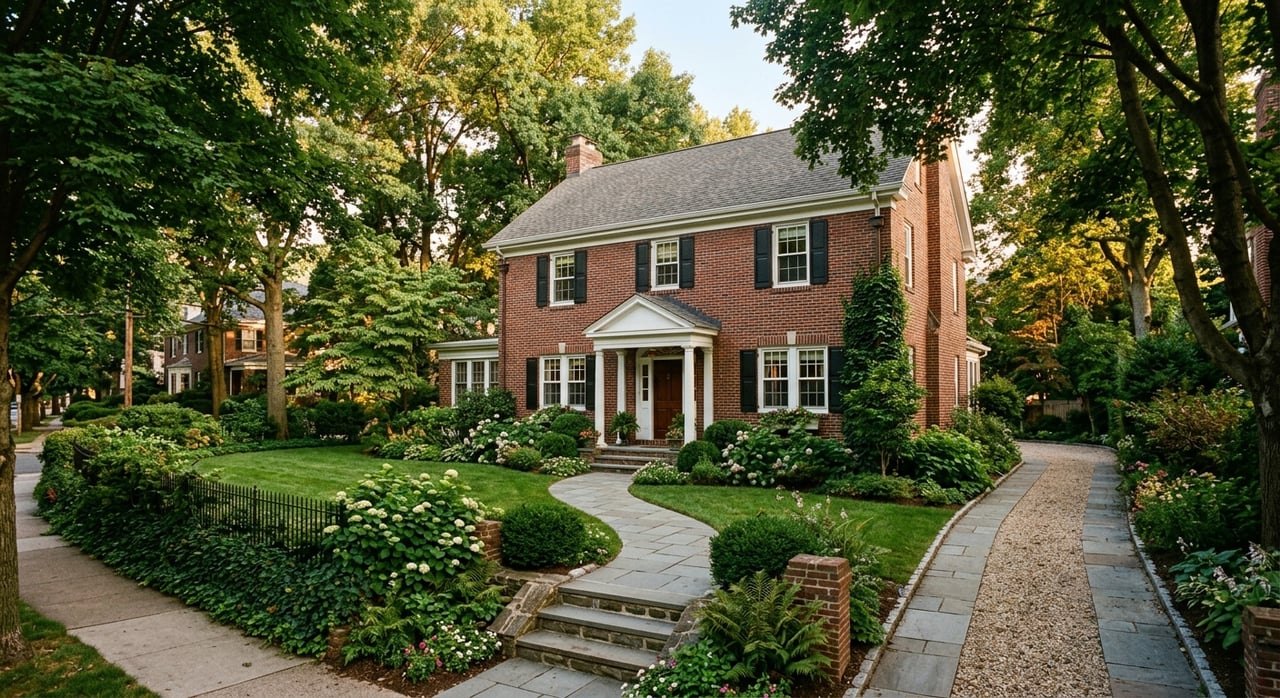
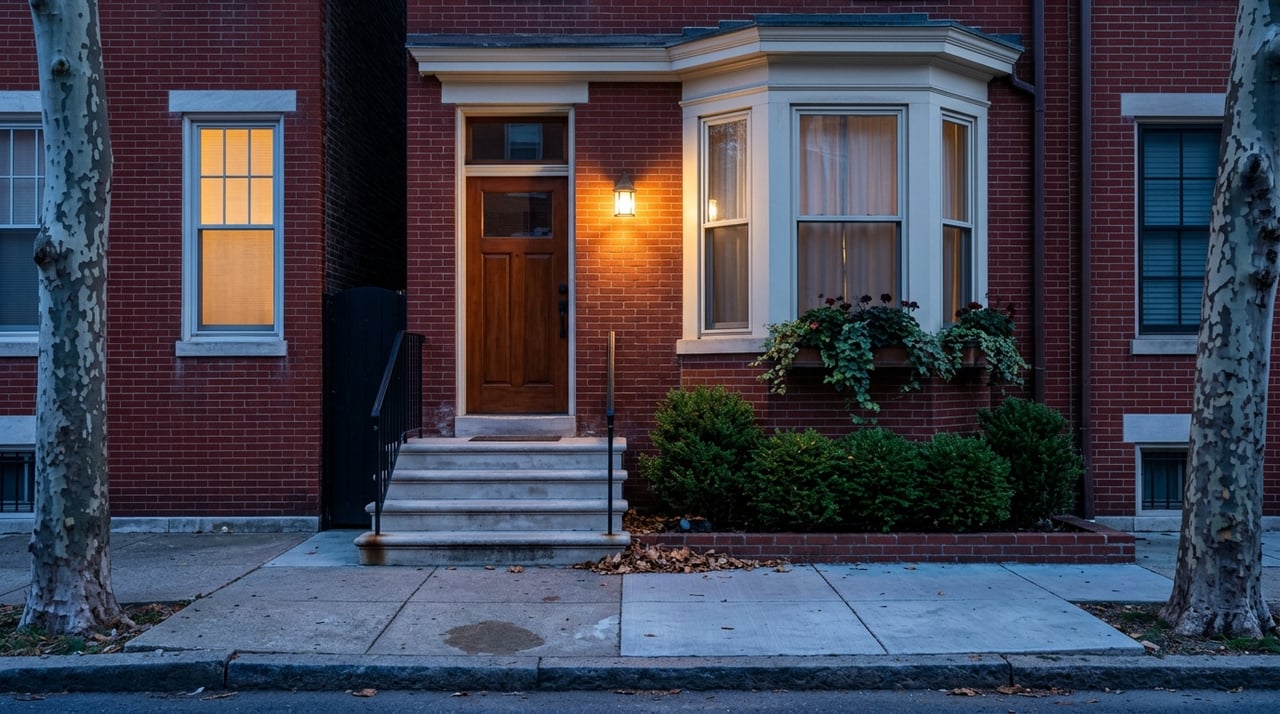
Adams Morgan is one of the District’s densest residential neighborhoods, with housing that ranges from rowhouses to midrise apartment buildings. The DC Office of Planning also notes active commercial corridors along 18th Street, Columbia Road, and Florida Avenue, along with a strong historic fabric that includes historic districts and landmarks.
For you as a buyer, that means condo options can vary a lot from one block to the next. You may find older buildings, more compact floor plans, and layouts that feel less standardized than what you would see in newer condo-heavy areas.
That variety is part of the appeal, but it also means you need to evaluate each building and unit closely. Details like natural light, privacy, street exposure, and sound can change quickly depending on the exact location.
What Condo Living Looks Like Here
Adams Morgan is not a purely residential neighborhood. The Office of Planning describes several distinct retail clusters, and the 18th Street area is known for its mix of restaurants, bars, and local businesses.
DDOT’s streetscape work on 18th Street focused on pedestrian, bicycle, and landscaping improvements, which reinforces what many buyers already notice right away: this is a walkable, active mixed-use environment. If you want to step outside and be close to daily conveniences and neighborhood activity, that can be a major plus.
At the same time, condo living here often comes with urban tradeoffs. A great location near the heart of the neighborhood may also mean more street activity, more evening noise, and less separation from nearby commercial uses.
Condo or Co-op Matters in DC
One of the first things to confirm is whether a property is legally a condo or a co-op. In a condo purchase, you own the individual unit. In a co-op, you typically buy shares in the cooperative and receive the right to occupy a specific unit.
That difference affects more than paperwork. It can shape financing, insurance, resale, monthly costs, and how much oversight a board may have during the approval process.
This matters in Adams Morgan because buyers often look at a mix of property types in older DC buildings. Two homes that seem similar online may involve very different ownership structures and buying processes.
Review the True Monthly Cost
It is easy to focus on mortgage payment estimates and forget the full carrying cost of ownership. Monthly condo or co-op fees are usually separate from the mortgage, and they can range from a few hundred dollars to more than $1,000 per month.
That is why you should look at the total monthly payment, not just principal and interest. Taxes, insurance, and association dues can materially change what the home actually costs you each month.
Before you make an offer, ask for a clear breakdown of what the monthly fee covers. You should also ask whether the building has had recent assessments or is planning new ones.
Read the Building Documents Carefully
In DC, condo and co-op buyers usually get several days to review bylaws and financial documents before moving forward. That review period is not a formality. It is one of the most important parts of your due diligence.
DC’s Condominium Association Bill of Rights gives unit owners important rights, including the ability to attend meetings, observe most board and committee meetings, copy minutes, request statements of unpaid assessments, and inspect the association’s books and records.
For you, that makes a few items especially important:
- The association budget
- Reserve strength
- Assessment history
- Rules that affect daily use of the property
- Any limits tied to shared spaces or amenities
A building may look appealing on the surface, but weak finances or unclear rules can affect both your ownership experience and future resale.
Pay Close Attention to Noise
Noise can be one of the biggest deal-makers or deal-breakers in Adams Morgan. Because the neighborhood combines dense housing, active retail corridors, and longstanding nightlife uses, sound isolation can vary significantly between buildings and even between units in the same building.
That means a daytime showing does not tell you the whole story. If possible, you should evaluate the area in the evening and on weekends too.
Try to answer questions like these before you commit:
- How much street noise do you hear with the windows closed?
- What changes when the windows are open?
- Can you hear hallway activity?
- Do you notice vibration from nearby traffic or nightlife activity?
- Does the unit face a quieter side street or a busier corridor?
In a neighborhood like Adams Morgan, the exact placement of a unit can matter almost as much as the unit itself.
Verify Outdoor Space Details
Outdoor space often carries extra value in dense DC neighborhoods, and Adams Morgan is no exception. Because the housing stock includes older rowhouses, midrise buildings, and historic structures, outdoor space may take several different forms.
What is marketed as outdoor space might be a small balcony, a roof deck, a courtyard, or a shared terrace. The important step is to verify what is actually deeded to the unit, what is shared with other owners, and what rules apply to use.
If outdoor space matters to you, ask specific questions instead of making assumptions. Small differences in ownership rights and building rules can make a big difference in how useful that space really feels day to day.
Think Honestly About Transit and Parking
Adams Morgan appeals to many buyers because it supports a walkable lifestyle. WMATA identifies Woodley Park-Zoo/Adams Morgan as the nearest Red Line station, and the Adams Morgan Partnership notes that the walk to the neighborhood core is about 10 minutes across the Duke Ellington Bridge.
That setup works well for many buyers who value Metro access and the ability to get around on foot. It can be especially appealing if you want an urban lifestyle without relying on a car for everyday routines.
Parking, however, can be tricky at times. If you expect easy car storage, you should think carefully about whether the building includes parking or whether street parking realities fit your routine.
First-Time Buyers Should Know the DC Programs
If you are a first-time buyer or relocating to DC, local assistance programs may be worth exploring early in your search. The DC Department of Housing and Community Development says HPAP offers interest-free loans and closing cost assistance for qualified applicants buying single-family homes, condominiums, or cooperative units in DC.
DCHFA’s current DC Open Doors lender manual says its down-payment assistance can be used for condos, but not cooperative housing units. That distinction is important if you are comparing condos and co-ops in Adams Morgan.
The key takeaway is simple: confirm financing options before you fall in love with a building. Ownership structure can affect your loan path, your cash needs, and your timeline.
Inclusionary Zoning Can Create Options
Another possible path for some buyers is DC’s Inclusionary Zoning program. DHCD says most new housing developments include some affordable units, and Front Door notes that 8% to 10% of units in most new or renovated condo buildings or townhome developments are sold at reduced prices.
These homes usually come with eligibility requirements and resale rules, so they are not the same as a standard market-rate purchase. Still, for buyers comparing central DC neighborhoods, this can be an option worth asking about when available.
Questions to Ask Before You Offer
Before you write an offer on an Adams Morgan condo, you should be able to answer a short list of practical questions with confidence:
- Is this property a condo or a co-op?
- Does your financing match that ownership structure?
- What does the monthly fee cover?
- Are there recent or planned assessments?
- How noisy is the unit at night and on weekends?
- What outdoor space is private, shared, or limited-use?
- How realistic is the Metro walk for your daily routine?
- If you have a car, what is your actual parking plan?
When you can answer those questions clearly, you are in a much better position to buy with confidence.
Why Local Guidance Helps in Adams Morgan
Adams Morgan rewards buyers who look beyond photos and square footage. In a neighborhood with older buildings, mixed-use blocks, and meaningful differences from one building to the next, strong guidance can help you compare options more clearly and avoid surprises.
If you are buying your first DC condo, relocating to the city, or weighing condo versus co-op options, a neighborhood-specific strategy matters. The right approach is not just finding a unit that looks good online. It is making sure the building, block, monthly costs, and ownership structure support the way you actually want to live.
If you want help navigating condo options in Adams Morgan or across central DC, Roger Taylor offers thoughtful, high-touch guidance for local buyers, relocation clients, and anyone who wants a clearer path through the process.
FAQs
What should you review before buying a condo in Adams Morgan?
- You should review the bylaws, financial documents, monthly fees, reserve strength, assessment history, and any rules that affect use of the property or common areas.
How is a condo different from a co-op in Adams Morgan, DC?
- In a condo, you own the unit itself. In a co-op, you generally buy shares in the cooperative and receive the right to occupy a specific unit, which can affect financing, insurance, resale, and board approval.
How important is noise when buying a condo in Adams Morgan?
- Noise is very important because Adams Morgan has dense housing, active retail corridors, and nightlife uses. You should evaluate a unit during evenings and weekends, not just during a daytime showing.
Is Adams Morgan good for buyers who want Metro access?
- Adams Morgan can work well for buyers who value walkability and transit, since the Woodley Park-Zoo/Adams Morgan station is a short walk from the neighborhood core.
Can first-time buyers use DC assistance programs for Adams Morgan condos?
- Qualified buyers may be able to use DC programs like HPAP for condos or co-ops, while DC Open Doors down-payment assistance can be used for condos but not cooperative housing units.