Wondering how to stage a classic American University Park home without sanding off the charm that makes it special? If you are preparing to sell in this part of Northwest D.C., that is the balance that matters most. The right staging plan can help buyers picture themselves in the home, highlight the architecture that defines AU Park, and support stronger listing photos from day one. Let’s dive in.
Why staging matters in AU Park
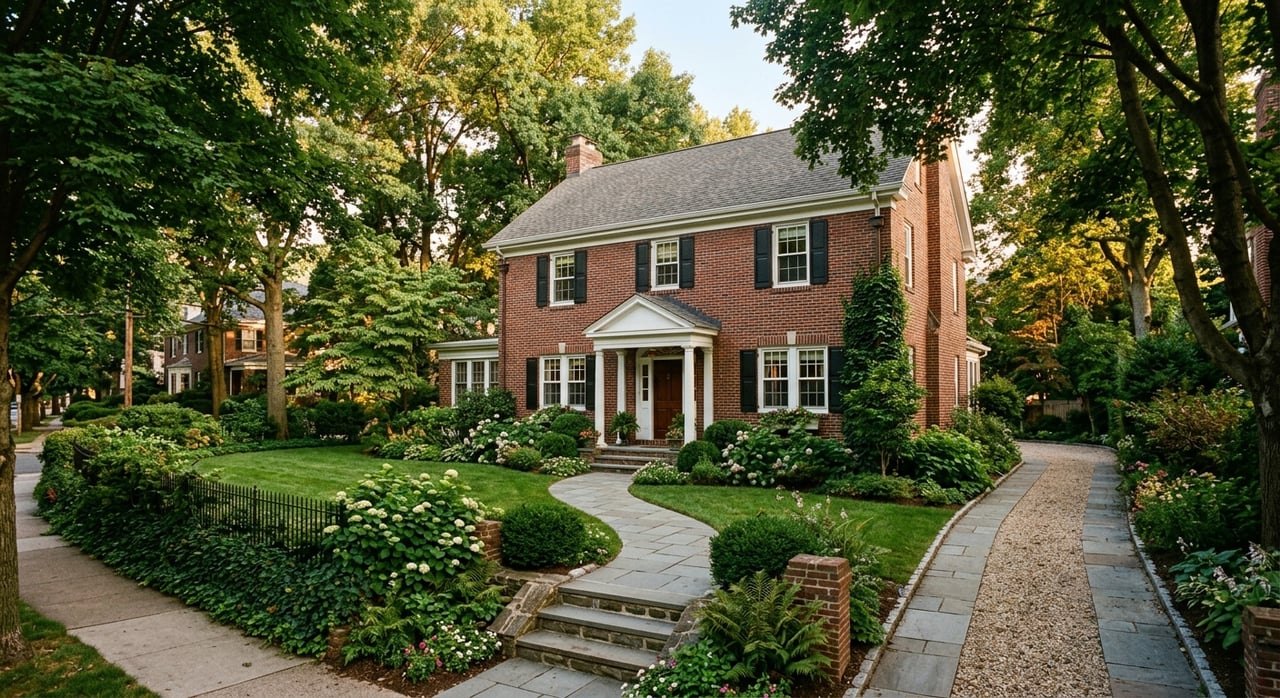
American University Park is part of Ward 3, and its housing story shapes how buyers experience homes here today. Much of the neighborhood’s main residential build-out happened after World War I, with detached homes that include bungalows, Foursquare houses, Cape Cods, Dutch Colonials, Tudors, and other revival-style properties. Brick homes became especially common before World War II.
That means many AU Park homes are not generic boxes. They tend to have defined rooms, strong architectural lines, and original features that create personality. Good staging should help those features read clearly, not compete with them.
Buyer behavior also supports a thoughtful presentation strategy. In the most current National Association of Realtors staging survey, 83% of buyers’ agents said staging makes it easier for buyers to visualize a property as a future home, and 60% said staging affects most buyers’ view of the home most of the time. The same survey found that photos matter even more than traditional physical staging, which is why staging and photography should work together.
Start with character, not trends
In a neighborhood like American University Park, buyers are often responding to details that newer homes do not have. Original brickwork, fireplaces, built-ins, window groupings, stair halls, porches, and room definition can all help a home stand out. Your goal is to make those details easy to see.
That usually means resisting the urge to over-style the house. Trend-heavy furniture, dark accessories, or oversized pieces can distract from period character. A more restrained approach often works better, especially in homes from the 1920s through the 1940s.
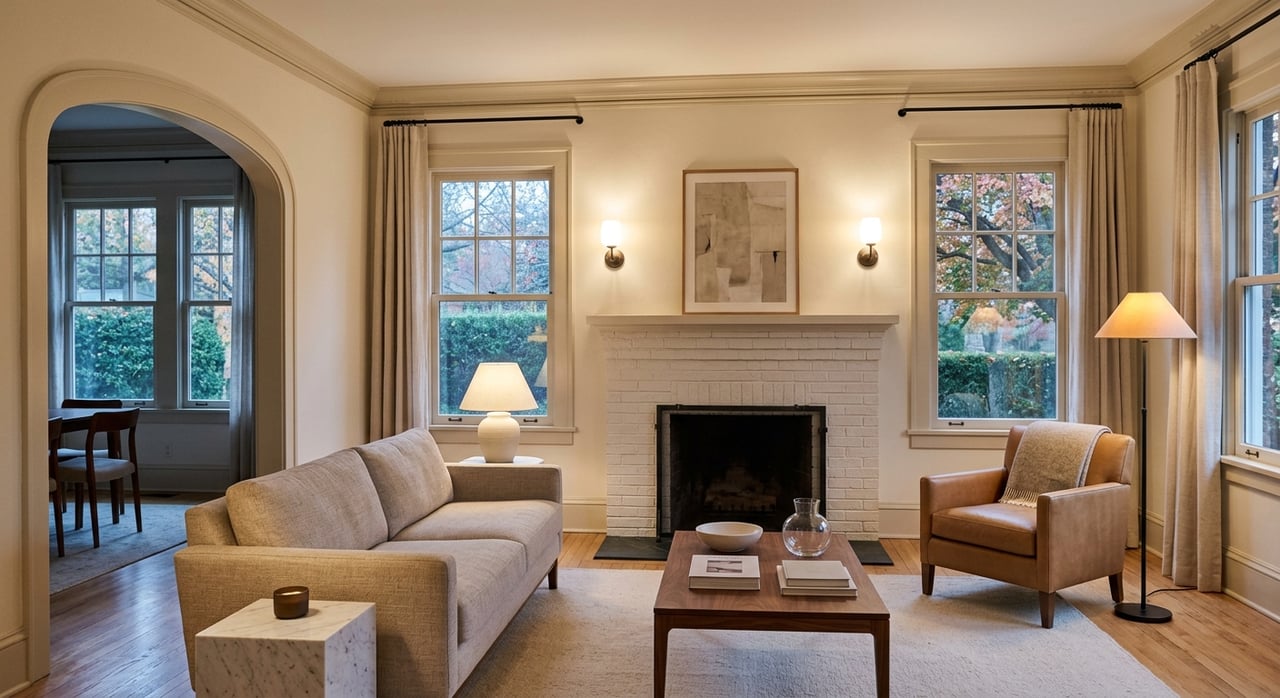
A good rule is simple: show the architecture first, then support it with clean, scaled furnishings. When buyers can clearly understand the shape, flow, and function of each room, the house often feels more valuable and more memorable.
Focus on the rooms buyers notice first
If you are deciding where to spend time and money, national staging data gives a useful roadmap. The rooms staged most often are:
- Living room
- Primary bedroom
- Dining room
- Kitchen
That order makes sense in AU Park. These are the rooms where classic homes often carry their strongest design identity, from fireplace-centered living spaces to formal dining rooms and compact but efficient kitchens.
If your budget is limited, prioritize the spaces that show up first in photos and shape a buyer’s emotional response during the showing. In many classic homes, that starts with the entry, living room, and front-facing spaces.
Staging tips for AU Park architectural styles
Colonial and Dutch Colonial homes
Colonial Revival homes are known for symmetry, double-hung windows, simple trim, and prominent entries or porches. Dutch Colonial versions often feature a gambrel roof. Inside, these homes usually benefit from staging that reinforces order and balance.
Try to keep the entry sequence open and uncluttered. Use simple pairings where appropriate, such as matching lamps or chairs, and avoid furniture layouts that block the center line of the room. Clean sightlines from the front door toward the back of the house can make the home feel larger and more composed.
Tudor homes
Tudor Revival homes often feature steep rooflines, grouped narrow windows, substantial chimneys, and rich exterior materials like brick, stone, stucco, or decorative half-timbering. Inside, that character can feel elegant, but it can also read as heavy if the staging is too dark or busy.
Let the texture do the work. Keep fireplaces and window groupings visible, use a restrained color palette, and choose lighter textiles to bring in softness. The goal is not to modernize the home into something it is not, but to keep it feeling refined and bright.
Bungalows
Bungalows are often lower and wider in form, with porch-forward facades, dormers, wide eaves, and, in many cases, built-in features. These homes can feel warm and inviting, but room scale matters.
Avoid oversized furniture that shrinks compact spaces. Highlight built-ins, fireplace walls, and easy room-to-room flow. If the front porch is usable, stage it simply so buyers immediately understand it as living space, not just exterior square footage.
The most effective pre-listing updates
For many sellers, the best staging results start before any furniture is brought in. The strongest pre-listing updates are often cosmetic, practical, and reversible. They help the house feel cared for without changing what makes it authentic.
The most common recommendations from sellers’ agents in the NAR survey were:
- Decluttering
- Whole-home cleaning
- Improving curb appeal
In AU Park, those basics matter because older homes tend to photograph best when the visual field is simple. Clean surfaces, fresh paint touch-ups, repaired hardware, and tidy landscaping all help buyers focus on the house itself.
Other updates that often make sense include:
- Touching up worn paint
- Replacing dated or worn hardware
- Fixing minor maintenance issues
- Improving lighting with brighter, consistent bulbs
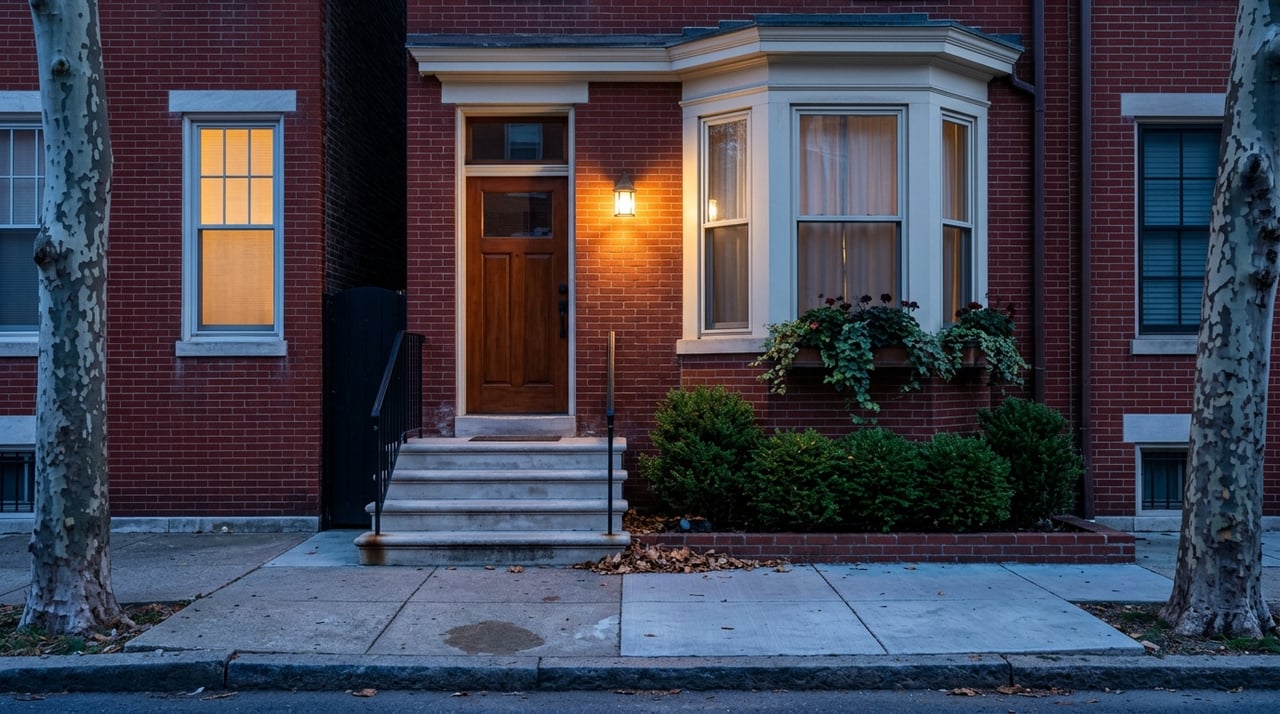
- Refreshing the front entry with clean lines and seasonal landscaping
These kinds of changes can make a home feel move-in ready without over-renovating before list.
Keep photography part of the staging plan
One of the clearest takeaways from staging data is that online presentation matters. In the latest NAR survey, photos were rated more important than physical staging, video, or virtual tours. That does not mean staging is less important. It means staging should be designed to perform well on camera.
In practice, that means every staged room should be reviewed through a photography lens. Are there clear pathways? Is the furniture scaled correctly? Do windows feel open and bright? Does the room read with one obvious purpose?
In classic AU Park homes, this step is especially important because room-defined layouts can either feel charming or chopped up depending on how they are presented. Good staging helps each room tell a clean visual story in the listing gallery.
Be thoughtful about cost and expectations
If you are considering professional staging, the NAR survey reported a median spend of $1,500 among sellers who used a staging service. That gives you a rough benchmark, though every home and scope is different.
It is also worth keeping expectations realistic. Surveyed agents reported that staging can help homes move faster, with 30% saying staging slightly decreased time on market and 19% saying it greatly decreased time on market. On price impact, some agents reported stronger offers, while 41% said staging had no impact on dollar value.
The practical takeaway is this: staging is not a guarantee, but it can improve how buyers perceive your home. In a neighborhood where architecture and presentation carry real weight, that can be a meaningful advantage.
Watch for D.C. exterior work rules
If you are tempted to go beyond staging and tackle exterior changes before listing, it is smart to pause first. D.C. preservation guidance says routine exterior maintenance and paint color selection are generally exempt from preservation review. Interior alterations and non-structural interior demolition are also not subject to preservation review.
However, exterior work that affects the appearance of a historic property generally requires a building permit and Historic Preservation Office clearance. The Office of Planning recommends contacting HPO for preliminary design review before applying. For AU Park sellers, that means simple seller prep like cleaning, paint, landscaping, lighting, and minor repairs is often the safest lane, while bigger exterior changes should be checked on an address-by-address basis.
What buyers want to feel
At the end of the day, staging a classic home in American University Park is not about making it look new. It is about making it feel clear, cared for, and easy to understand. Buyers should walk in and see original character, comfortable scale, and a home that feels ready for its next chapter.
That is especially true in a neighborhood defined by prewar, style-specific homes. When the staging respects the architecture, simplifies the visual field, and supports strong photography, your home is more likely to connect with buyers quickly.
If you are thinking about selling in American University Park, Roger Taylor can help you build a staging and marketing plan that fits your home, your timeline, and the way buyers shop in D.C.
FAQs
What is the best staging approach for classic homes in American University Park?
- The strongest approach is usually to preserve original character, reduce visual clutter, and use clean, scaled furnishings that highlight the home’s architecture rather than compete with it.
Which rooms matter most when staging an AU Park home for sale?
- Based on current staging survey data, the living room, primary bedroom, dining room, and kitchen are the rooms most often staged and are smart places to focus first.
Should sellers renovate before staging a home in American University Park?
- In many cases, cosmetic and reversible updates such as decluttering, deep cleaning, paint touch-ups, curb appeal improvements, and minor repairs are the most practical pre-listing choices.
How much does professional staging usually cost for a home sale?
- The most current NAR staging survey reported a median spend of $1,500 among sellers who used a professional staging service, though actual cost depends on the home and scope of work.
Do American University Park sellers need to check D.C. rules before exterior changes?
- Yes. Routine exterior maintenance and paint color selection are generally exempt, but exterior work affecting the appearance of a historic property generally requires a building permit and HPO clearance, so it is wise to verify before making larger changes.