If you are drawn to classic D.C. architecture but want a neighborhood that feels walkable, green, and connected, Mount Pleasant rowhouse living deserves a closer look. This part of Washington offers a distinct mix of historic character, everyday convenience, and a more layered style of living than many buyers expect. When you understand how these homes work day to day, it becomes much easier to picture whether the fit is right for you. Let’s dive in.
Why Mount Pleasant Feels Different
Mount Pleasant is a Ward 1 neighborhood known for leafy streets, a strong international cultural mix, and a setting that borders the National Zoo and Rock Creek Park. The D.C. Office of Planning also notes that the neighborhood developed first as one of Washington’s earliest suburbs and later as a streetcar suburb, which still shapes the way it feels today.
That history matters because Mount Pleasant does not feel like a neighborhood built around a single giant retail center or a car-first layout. Instead, it has more of an urban village feel, with a neighborhood-scaled commercial corridor and a close-in, walkable pattern that supports daily life.
Mount Pleasant Street became a commercial corridor by the early 20th century, while the surrounding blocks filled in with shops, institutions, apartment houses, and rowhouse residences. Today, that mix still helps the neighborhood feel active and practical without losing its residential character.
What A Mount Pleasant Rowhouse Is Like
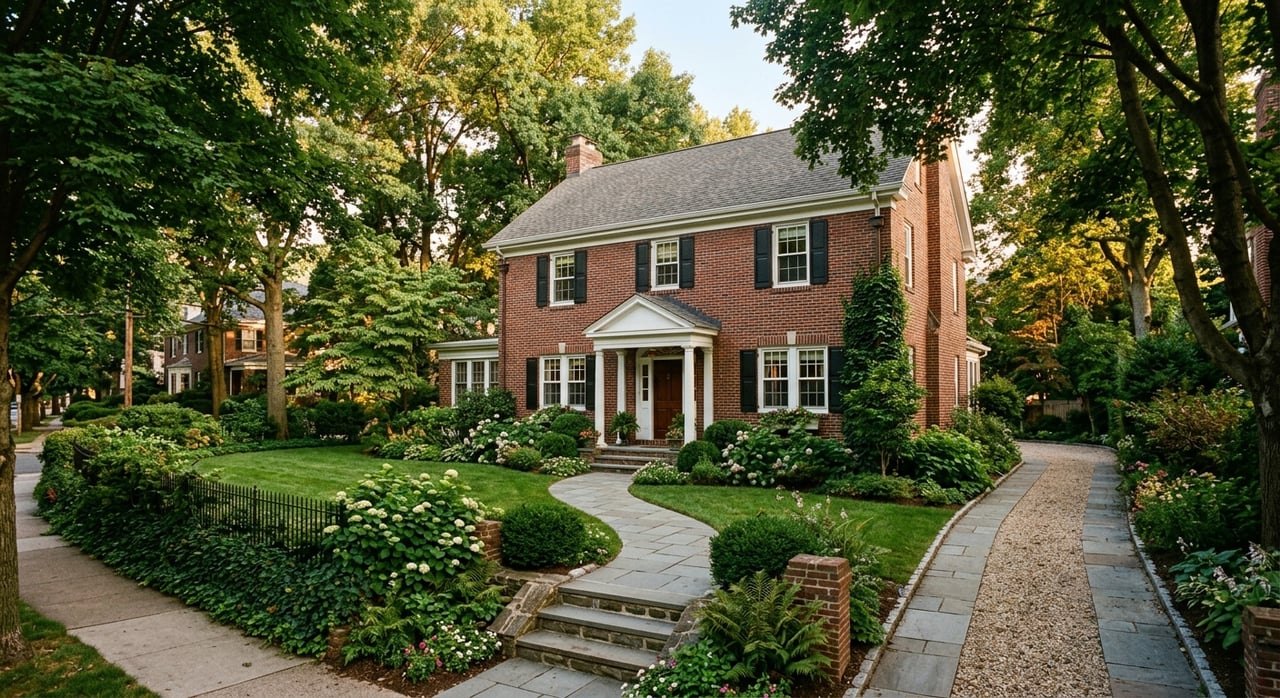
Rowhouses in Mount Pleasant are part of a larger historic housing pattern found across Washington, but the local setting gives them a distinct personality. The neighborhood includes rowhouses, semi-detached homes, detached houses, apartment buildings, churches, schools, and other institutions, though many contributing buildings date to the first two decades of the 20th century.
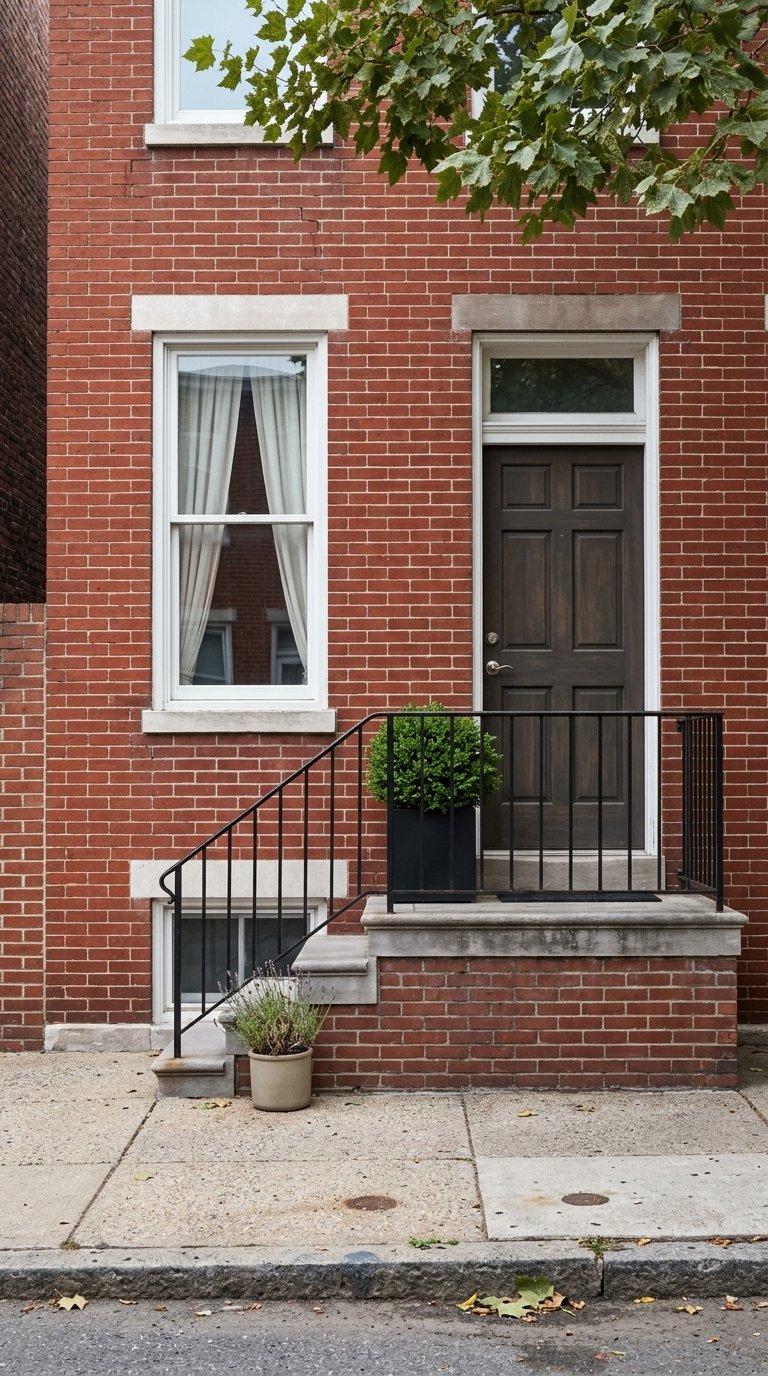
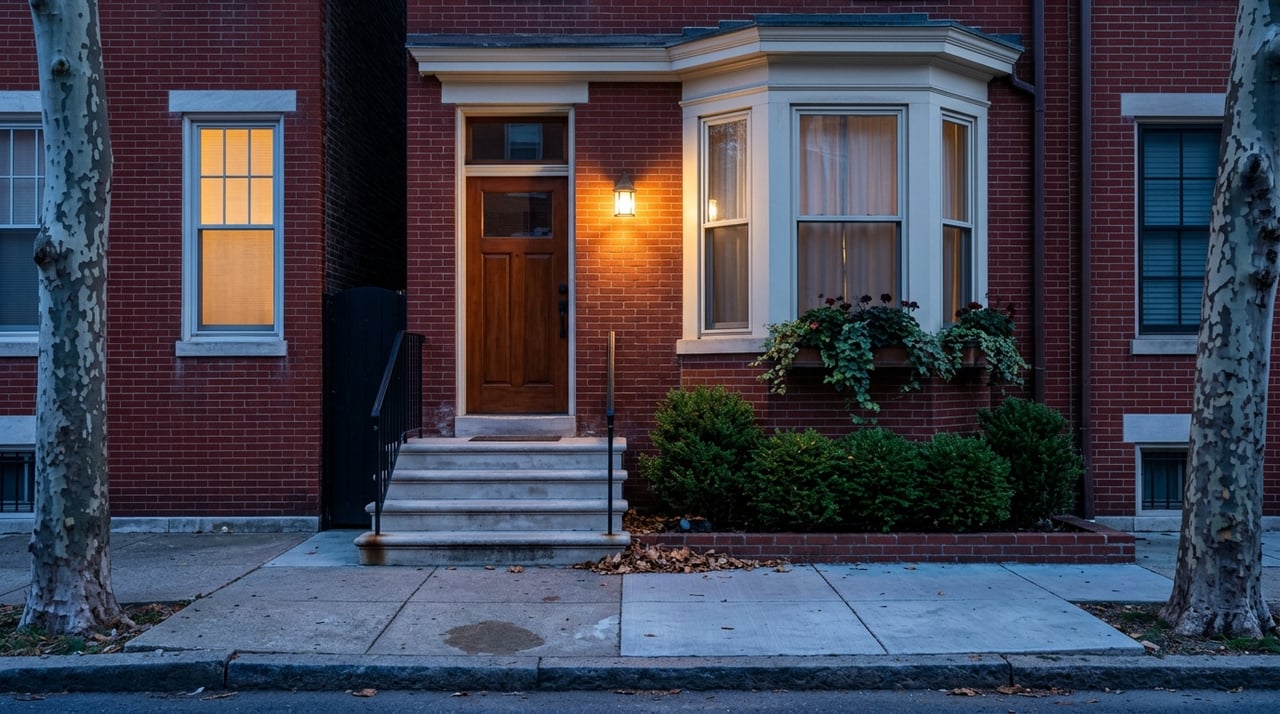
In simple terms, a rowhouse here is usually narrow, attached to neighboring homes by shared walls, and organized vertically. Many follow side-passage or double-pile layouts and may include an English basement, which can add useful living space below the main level.
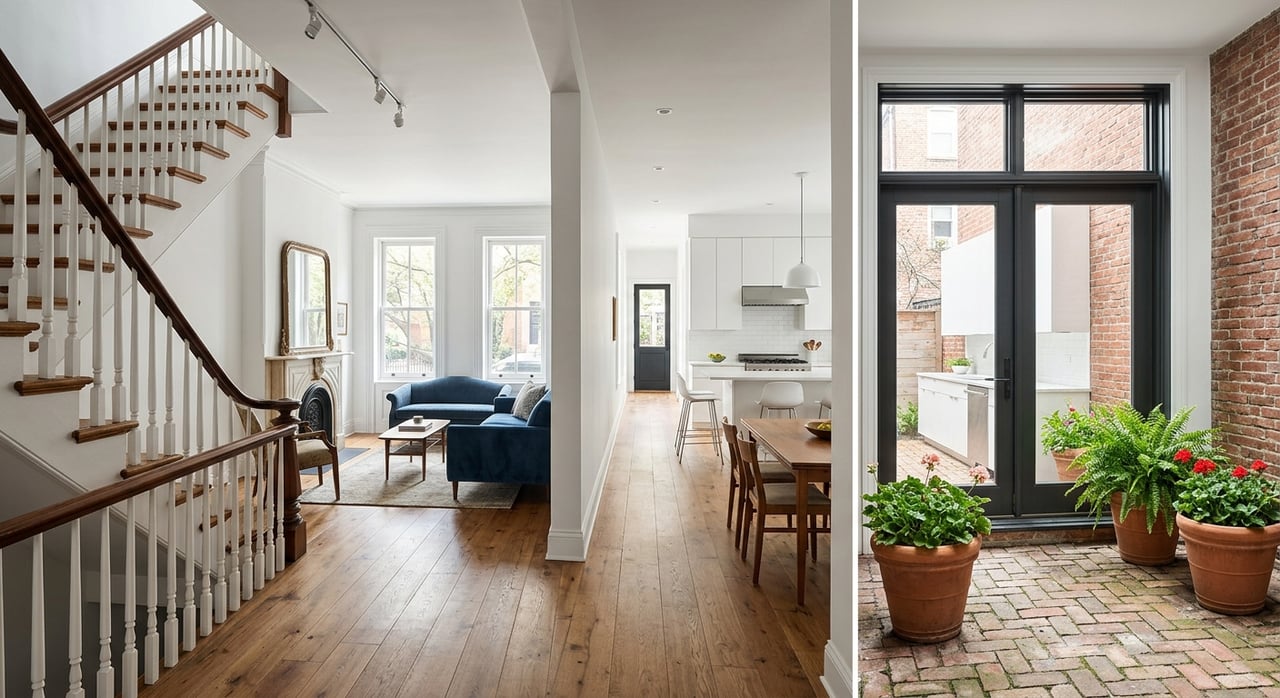
For many buyers, the biggest shift is not square footage but how that space is arranged. A Mount Pleasant rowhouse often feels like a sequence of stacked rooms tied together by stairs, rather than a wide suburban floor plan spread across one or two levels.
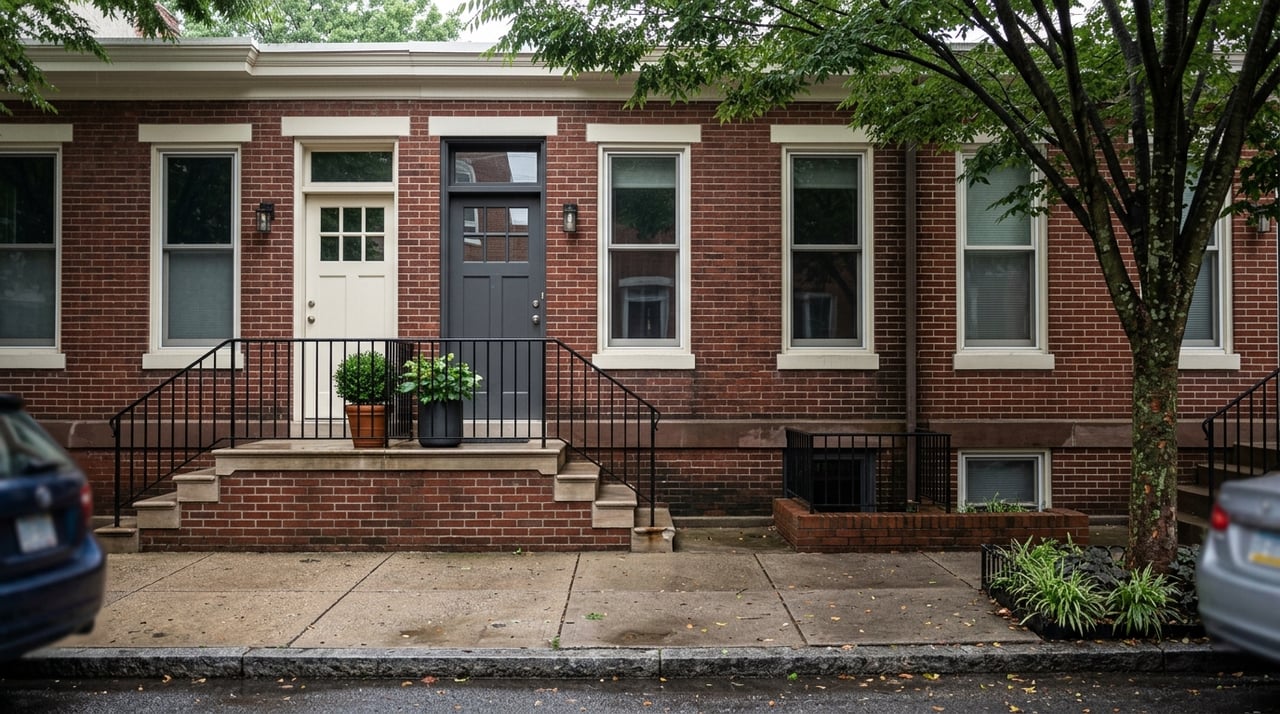
That vertical layout can be a real advantage if you like separation between living areas, bedrooms, and lower-level flex space. It also means the front facade often carries much of the home's architectural personality, especially in blocks with porch-fronted rows, consistent steps, leadwalks, cornices, and repeating facade rhythms.
Does Rowhouse Living Feel Spacious?
The honest answer is that it usually feels compact, but often more efficient than the exterior suggests. Narrow frontage is common, yet multiple stories and, in some homes, basement or rear additions can create more usable space than buyers expect at first glance.
This is one reason Mount Pleasant rowhouses appeal to buyers who value character and layout over sprawling square footage. If you are comfortable with stairs and you like the idea of spaces that feel distinct from one another, the format can feel practical and surprisingly functional.
It also helps to think of space in layers. Instead of one oversized main living zone, you may have separate front and rear rooms, upper-level private space, and lower-level utility or bonus areas that support everyday living in a more flexible way.
Historic Character Shapes Daily Life
Mount Pleasant’s historic district was designated in 1986 and covers roughly 200 acres. It is bounded by Harvard Street NW, Adams Mill Road and Rock Creek Park, Oak Street NW, and 16th Street NW.
Because the neighborhood is strongly shaped by its historic-district status, even updated homes often retain the original streetscape and block scale. That continuity is part of what makes Mount Pleasant visually appealing block by block.
For you as a buyer or owner, historic character is not just about charm. It also affects what changes may be possible later, especially if you are considering exterior updates after purchase.
Visible exterior changes such as windows, porches, decks, roof decks, and basement entries are reviewed through the District’s preservation process. In practice, that means owners should expect more design oversight here than they would in a non-historic neighborhood.
What Outdoor Space Usually Looks Like
If you are hoping for private outdoor space, Mount Pleasant can still work well, but expectations should stay aligned with the neighborhood’s historic rowhouse form. Outdoor living here usually centers on rear decks, patios, small gardens, and alley-facing accessory space rather than large front lawns.
Historic guidance in Mount Pleasant generally expects new decks to sit in the rear yard and stay out of view from public streets or sidewalks. Rear porches may also be added or enclosed if they remain compatible with the house.
That creates a different kind of outdoor experience. Instead of a big suburban yard, you are more likely to have a compact and useful private area for dining, container gardening, or simply stepping outside with some breathing room.
The neighborhood’s location next to Rock Creek Park adds another layer to this. The park covers nearly 3,000 acres and has more than 30 miles of hiking trails, which helps Mount Pleasant feel greener than many central D.C. rowhouse neighborhoods.
Walkability Is A Major Advantage
One of Mount Pleasant’s strongest everyday benefits is how easy it can be to live locally. The Washington DC Economic Partnership’s 2024 neighborhood profile describes the area as multicultural, multilingual, and eclectic, with a unique small-town feel, prime shopping, downtown access, dense housing, and proximity to Rock Creek Park.
For many buyers, that translates into a lifestyle where errands, coffee runs, dining, and some transit needs can often be handled on foot or by bike. The same profile gives Mount Pleasant a Walk Score of 97 and notes 13 Capital Bikeshare stations within a half-mile.
WMATA also says Columbia Heights station is within walking distance to Mount Pleasant and Adams Morgan. That kind of access can make rowhouse living here feel especially practical if you want neighborhood charm without giving up city convenience.
Mount Pleasant Street adds to that appeal. As a designated Great Streets corridor, it benefits from support tied to community-based economic development, and it functions as a true street-level retail spine rather than a scattered collection of businesses.
Who Mount Pleasant Rowhouses Often Suit
Mount Pleasant rowhouse living tends to fit buyers who want historic character, strong walkability, and a home that feels rooted in the city. It can be especially appealing if you are moving from an apartment or condo and want more separation of space without leaving a close-in neighborhood.
It may also suit relocation buyers who want a distinctly Washington housing style in an area that feels established and easy to navigate day to day. The combination of transit access, neighborhood retail, and nearby park space gives the area a balanced feel.
At the same time, it helps to be realistic. If your top priority is a wide-open floor plan, minimal stairs, or major exterior customization right after closing, you may need to look more carefully at how a specific property is configured and what historic review may require.
What To Know Before You Buy
Before you make an offer on a Mount Pleasant rowhouse, it helps to focus on a few practical questions beyond finish level and curb appeal.
Consider these points as you evaluate homes:
- How does the vertical layout fit your daily routine?
- Does the lower level add useful living or storage space?
- Is the outdoor space primarily in the rear, and does that meet your needs?
- Are you planning any exterior changes that may require historic review?
- Does the home’s location give you the walkability and transit access you want?
These questions can help you look past staging and see how the house may function over time. In a neighborhood like Mount Pleasant, the best fit often comes down to lifestyle as much as square footage.
The Bottom Line On Rowhouse Living
What makes Mount Pleasant distinctive is not just the architecture. It is the combination of historic character, vertical living, rear-yard outdoor space, and unusually strong walkability in an urban village setting.
That combination creates a daily experience that feels very D.C. and very local at the same time. If you want a home with personality, a practical connection to neighborhood amenities, and access to one of the city’s greenest nearby landscapes, Mount Pleasant rowhouse living is worth serious consideration.
If you are thinking about buying or selling in Mount Pleasant and want clear, neighborhood-specific guidance, connect with Roger Taylor for a tailored, thoughtful next step.
FAQs
What is rowhouse living like in Mount Pleasant DC?
- Rowhouse living in Mount Pleasant usually feels vertical and efficient, with narrow attached homes, multiple levels, and a strong connection to the street and surrounding historic blocks.
Does a Mount Pleasant rowhouse usually have outdoor space?
- Yes, but it is typically in the rear of the property as a deck, patio, small garden, or alley-facing accessory space rather than a large front or back yard.
Is Mount Pleasant mostly a historic neighborhood?
- Yes, Mount Pleasant is strongly shaped by its historic-district status, and many homes and streetscapes reflect early 20th-century development patterns.
Can you change the exterior of a rowhouse in Mount Pleasant?
- Exterior changes may be subject to the District’s preservation review process, especially for items like windows, porches, decks, roof decks, and basement entries.
Is Mount Pleasant DC walkable for daily errands?
- Yes, the neighborhood has a Walk Score of 97, a street-level retail corridor on Mount Pleasant Street, bikeshare access nearby, and walking access to the Columbia Heights Metro area.
Do Mount Pleasant rowhouses feel larger than they look?
- Often, yes. While they usually have narrow frontage, multiple levels and, in some homes, basement or rear additions can create more usable space than the exterior suggests.