Wondering why one Adams Morgan rowhouse feels ornate and historic while another on the same block feels simpler, wider, or easier to update? If you are shopping in this part of Washington, DC, those differences matter more than you might think. Understanding the main rowhouse styles in Adams Morgan can help you spot character, anticipate layout tradeoffs, and think more clearly about renovation potential before you make an offer. Let’s dive in.
Why Adams Morgan Rowhouses Vary
Adams Morgan is not one single, uniform development. It grew from several late-19th- and early-20th-century subdivisions, including Washington Heights, Lanier Heights, Kalorama Triangle, and nearby areas that were built out quickly into cohesive rowhouse communities.
That layered history helps explain why the neighborhood has so much visual variety. The Washington Heights Historic District, designated in 2006 with a period of significance from 1891 to 1950, includes homes that often mix elements from more than one architectural style rather than following a strict textbook design.
The neighborhood was also shaped by the streetcar era. Electric service along 18th Street in 1892 and Columbia Road in 1896 helped turn the area into a denser streetcar suburb, which supported the mix of rowhouses, apartments, and commercial corridors you still see today.
Victorian Rowhouses in Adams Morgan
For many buyers, the oldest Adams Morgan rowhouses are also the most eye-catching. These homes often reflect Victorian-era styles, especially Queen Anne and Romanesque Revival, and they tend to offer the richest facade detail.
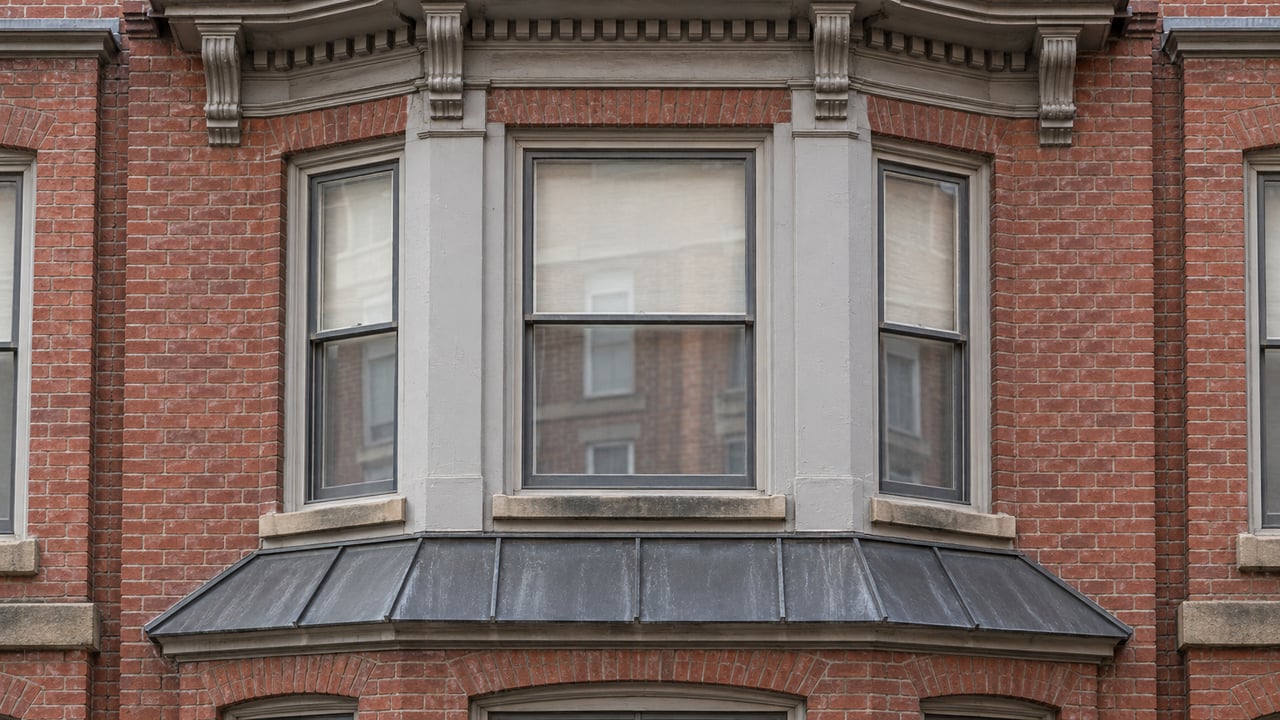
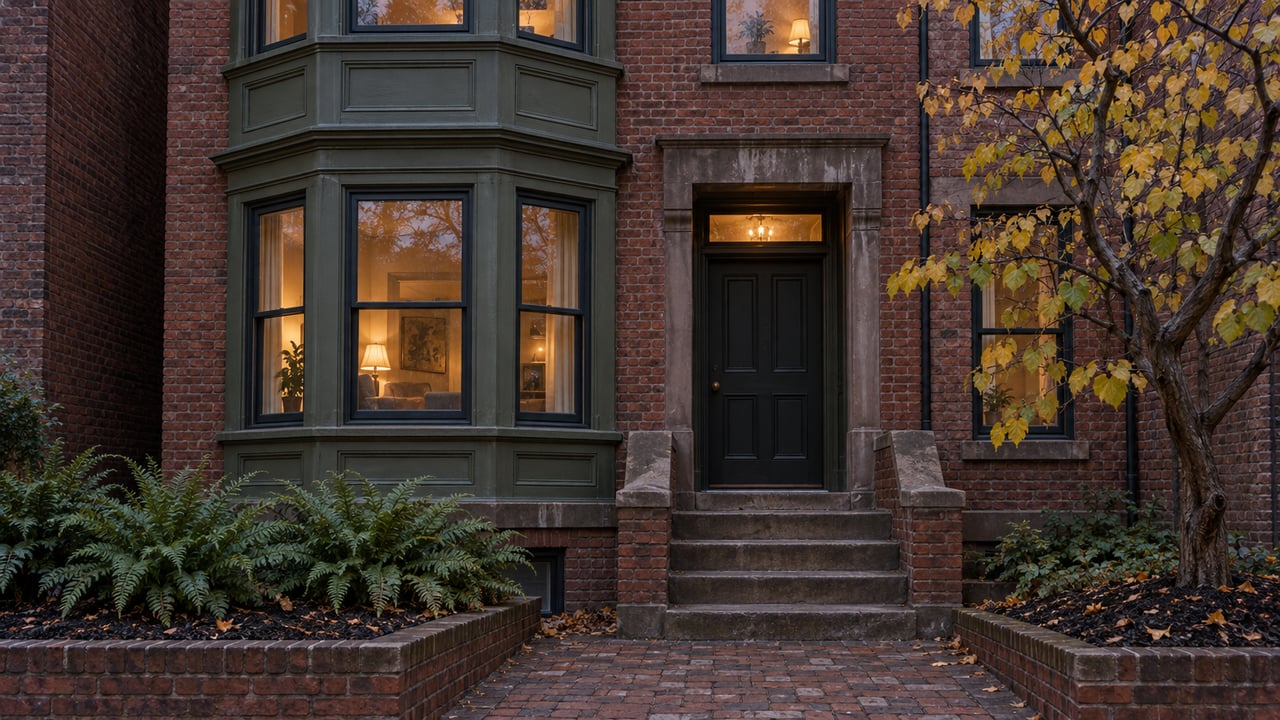
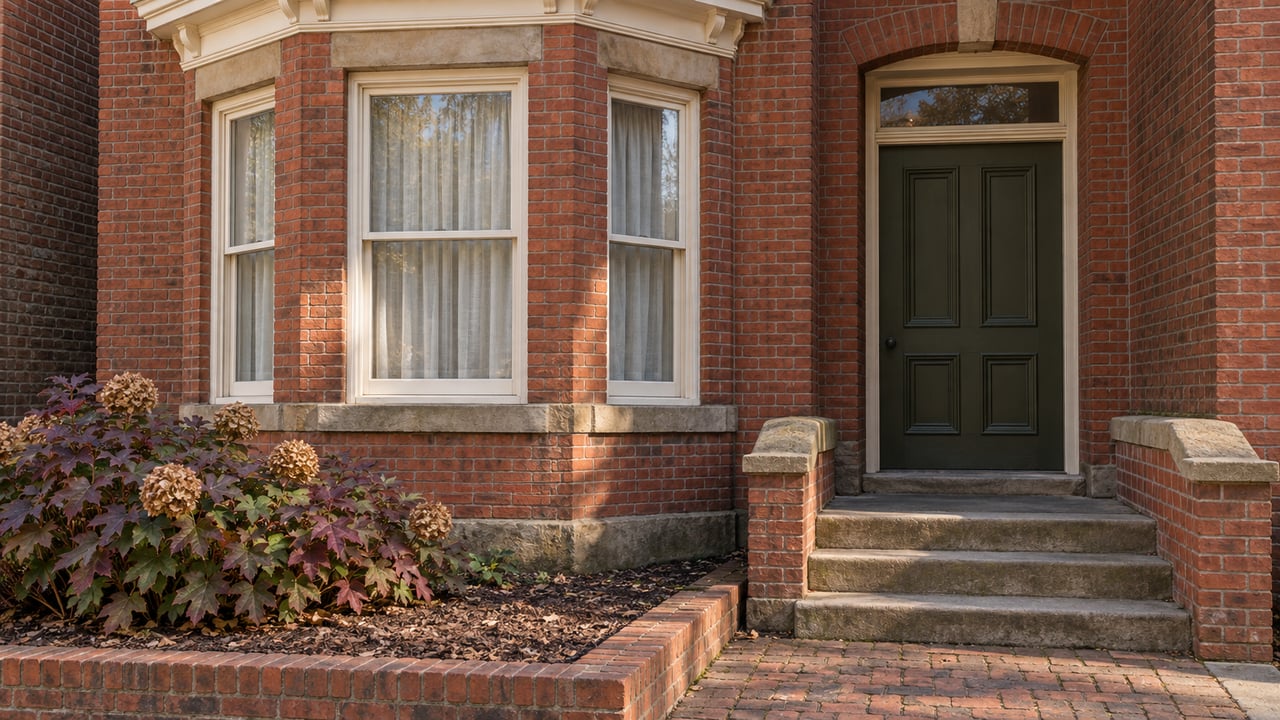
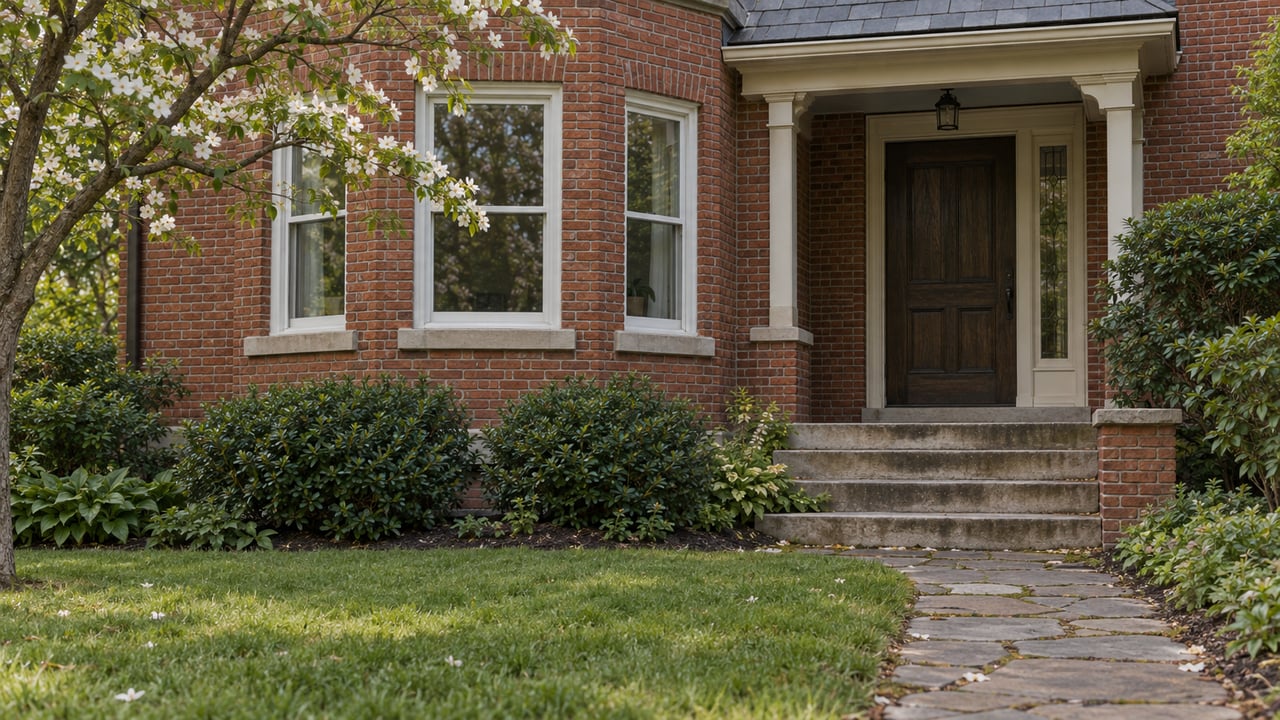
Common Victorian-era features in Washington Heights include raised basements, entry stoops, full-width front porches, side-hall plans, brick construction, stone detailing, projecting or canted bay windows, oriel windows, arched windows and doors, recessed entries, transoms, fanlights, jack-arched lintels, and flat roofs with heavy cornices. Some also feature false mansards and slate shingles.
Queen Anne Details to Notice
Queen Anne rowhouses are usually the most decorative of the group. You may see round, square, or eight-sided bays, turrets, conical roofs, varied roof cladding, and elaborate applied ornament.
On a tour, these are often the homes that stand out from the sidewalk right away. If you are drawn to strong curb appeal and layered historic detail, this style may be the one that grabs you first.
Romanesque Revival Features
Romanesque Revival homes tend to look heavier and more solid. Typical features include wide-arched openings, towers, rough-cut stone, oriel windows, carved panels, and more asymmetrical front facades.
These houses often feel bold rather than delicate. Their street presence can be a major draw if you want a home with unmistakable historic character.
What Victorian Layouts Can Mean
In practical terms, Victorian rowhouses often combine strong visual character with narrower frontages and deeper interior plans. That can mean less of the open, flowing layout many buyers expect in newer homes.
At the same time, bay windows, transoms, and higher main floors can help improve front-of-house light and create a stronger connection to the street. When you tour one, pay attention to how the natural light moves from front to back.
Wardman-Era Rowhouses to Know
Another important Adams Morgan rowhouse type comes from the Wardman era. Several Washington Heights rowhouses built between 1907 and 1916 were developed by Harry Wardman, who introduced a rowhouse type that was more horizontal in character and centered around a full front porch.
Unlike some earlier developments, Wardman rows were often highly consistent across a block. In many cases, the homes were identical, with only the end units set apart by a different bay or roof profile.
How Wardman Homes Look
Wardman-era rowhouses can still vary, but the overall feel is often more regular and legible from the street. Some were built as two-story, three-bay brick buildings with flat roofs and false mansards, while others included street-level commercial space with residential upper floors.
Many retained details such as transom windows and decorative cornices. Compared with highly ornate Victorian homes, these houses may read as a little more orderly and repetitive, which many buyers find appealing.
Why Buyers Like Wardman Layouts
For buyers, Wardman-era homes often feel easier to understand at first glance. The repetitive plans and porch-oriented massing can make the layout feel more straightforward.
That can also make renovation planning feel a bit more approachable in some cases. If you are comparing multiple homes in Adams Morgan, a Wardman house may offer a simpler starting point for imagining future updates.
Converted Rowhouses and Mixed-Use History
One of the most important things to know about Adams Morgan is that not every rowhouse has stayed purely residential over time. In Washington Heights, many 18th Street rowhouses were converted to street-level commercial use starting in the 1920s, often with large storefront windows replacing the original front window pattern.
The area also includes houses that were converted into rooming houses during World War II and later altered again. In some cases, third stories were removed or entirely new facades were added.
Why Conversions Matter for Buyers
A home that still looks like a classic rowhouse from the street may have a very different interior plan from a fully residential home of the same age. Circulation, room sizes, light patterns, and surviving original details can all differ.
For some buyers, that creates opportunity. A converted property may offer unusual flexibility or mixed-use history, but it may also come with less original facade integrity and a layout that takes more thought to evaluate.
Renovation Rules Buyers Should Understand
If you are thinking ahead to changes, Adams Morgan buyers should understand the historic preservation review process before closing. In this area, visible exterior work is typically where the biggest review issues arise.
According to DC preservation guidance, HPRB review is required for major work such as front and side additions, large rear additions, front porch enclosures, new front porches, roof additions and roof decks visible from a street, front alterations such as new dormers or entrances, major changes to front window or door openings, and major alteration or removal of important architectural features.
Projects Often Easier to Tackle
Not every update faces the same level of review. DC states that interior alterations and non-structural interior demolition are generally not subject to historic preservation review.
Routine work such as painting, storm windows, screens, security bars, and window repair is also generally exempt. That is why many buyers find that interior reconfiguration may be more manageable than a major street-facing exterior change.
Concept Review Can Help
For larger projects, DC encourages concept review so owners can get feedback on the general approach before full architectural drawings are completed. Smaller work can often be approved by the Historic Preservation Office before a permit is issued by the Department of Buildings.
The practical takeaway is simple: if your wish list includes a roof deck, major facade changes, or a visible addition, it is smart to understand the approval path early.
What to Look for on Tours
When you walk through Adams Morgan rowhouses, style matters, but so do light, flexibility, and evidence of past changes. Two homes that look similar at first glance can live very differently.
A focused tour checklist can help you compare homes more clearly:
- Front facade condition
- Bay windows and how they affect light
- Porch condition and usable exterior space
- Roofline and visible roof changes
- Basement entry location and function
- Rear yard setup
- Alley access
- Existing garage footprint, if any
- Signs of prior storefront conversion
- Signs of rooming-house or multi-unit conversion
Rear Access and Garages Matter Too
Another detail buyers sometimes overlook is the alley. As the automobile era arrived, many rowhouses added garages behind the homes facing the alleys.
Today, rear access, alley width, and any existing garage footprint can shape what is possible at the back of the house. If future parking, storage, or rear expansion matters to you, this is worth careful review during showings and due diligence.
How to Think About Long-Term Value
In Adams Morgan, long-term value is often tied to the balance between preserved character and renovation flexibility. Homes that retain original street-facing details tend to fit the neighborhood’s historic fabric, while homes with existing rear additions, alley access, or already-converted layouts may offer more practical room for change.
That does not mean one type is always better. It means the right fit depends on your priorities, whether you want maximum historic detail, a more predictable layout, or a home with clearer options for future updates.
If you are buying in Adams Morgan, the goal is not just to find a beautiful rowhouse. It is to find the one whose architecture, condition, and renovation path match the way you actually want to live.
If you want help comparing Adams Morgan rowhouses, understanding how style affects livability, or evaluating which homes may offer the best fit for your plans, connect with Roger Taylor.
FAQs
What rowhouse styles are most common for buyers in Adams Morgan?
- Buyers are most likely to encounter Victorian-era rowhouses, especially Queen Anne and Romanesque Revival, along with early-20th-century Wardman-era rowhouses and some homes with mixed-use or conversion history.
What makes a Victorian rowhouse different in Adams Morgan?
- Victorian rowhouses in Adams Morgan often feature raised basements, stoops, porches, bay or oriel windows, arched openings, ornate trim, and deeper interior plans with strong historic character.
What should buyers know about Wardman rowhouses in Adams Morgan?
- Wardman-era rowhouses often look more regular from the street, commonly include full front porches, and may have simpler, more repetitive layouts that some buyers find easier to understand and update.
What should buyers watch for in a converted Adams Morgan rowhouse?
- Buyers should look for signs of prior storefront use, rooming-house conversion, facade changes, altered upper stories, and layout differences that could affect light, flow, and future renovation options.
What exterior changes usually need review for historic Adams Morgan homes?
- Major visible exterior work such as front and side additions, large rear additions, porch enclosures, visible roof decks, new dormers, new entrances, and significant front window or door changes typically require HPRB review.
What parts of a historic Adams Morgan rowhouse are often easier to change?
- Interior alterations and non-structural interior demolition are generally not subject to historic preservation review, and routine work like painting and window repair is also generally exempt.
Why does alley access matter when buying an Adams Morgan rowhouse?
- Alley access can affect rear parking, garage use, storage, and what may be possible for future changes at the back of the property.