If you are searching for a home on Capitol Hill, “near Eastern Market” can sound like an easy win. But once you start comparing actual blocks, you quickly see that the better question is how much walkability, activity, and residential quiet you want in your daily routine. That balance is what shapes many Capitol Hill home searches, and understanding it can help you focus faster and choose with more confidence. Let’s dive in.
Eastern Market sets the rhythm
Eastern Market sits at 225 7th Street SE and serves as a long-standing public market in the heart of Capitol Hill. District and market sources describe it as a destination for fresh food, local goods, and community events, which helps explain why it plays such a large role in how buyers think about the area.
Its schedule also matters more than many buyers expect. The indoor market operates Tuesday through Saturday from 8 a.m. to 6 p.m. and Sunday from 8 a.m. to 5 p.m., while the outdoor market runs Saturday and Sunday from 9 a.m. to 4 p.m. and Tuesday from 12 p.m. to 4 p.m. That means nearby blocks can feel especially active on recurring market days.
If you want to run errands on foot, pick up groceries, and stay close to neighborhood activity, homes near Eastern Market often rise to the top of your list. The appeal is not only the market itself, but the way it concentrates day-to-day convenience into a compact part of Capitol Hill.
Metro adds everyday convenience
Eastern Market station also strengthens the appeal of this part of the Hill. WMATA identifies Eastern Market as the station to use for the nearby public marketplace and Marine Barracks, with station frontage at Pennsylvania Avenue and 7th Street SE.
For you as a buyer, that creates a practical lifestyle advantage. A home near the market may also place you near transit, dining, and daily errands, all within a short walk. In a neighborhood where small location shifts can change your routine, that kind of convenience matters.
Block-by-block matters most
One of the biggest mistakes buyers make is treating all of Capitol Hill the same. The research suggests the smarter comparison is often block versus block within a short walk of 7th Street SE, not one broad neighborhood versus another.
A home two or three streets away from Eastern Market may offer a different feel from one right on a more active corridor. You may still get easy access to the market and Metro, but with a little more separation from the busiest patterns of foot traffic and weekend activity.
That is why your search criteria should go beyond price, bedroom count, and finishes. On Capitol Hill, the block itself often shapes your day-to-day experience as much as the home does.
Barracks Row changes the search
Barracks Row gives this area another strong pull. Barracks Row Main Street describes 8th Street SE as a historic commercial corridor with a five-block focus from Pennsylvania Avenue SE to M Street SE, and the DC Comprehensive Plan notes that the 7th Street and 8th Street SE corridor is the only active north-south neighborhood commercial district remaining in the Capitol Hill planning area.
That makes the 8th Street spine more than just a dining strip. It is one of the defining commercial anchors of Capitol Hill, and buyers often feel that when they tour nearby homes.
If you like having restaurants and neighborhood businesses close by, blocks near Barracks Row may feel especially convenient. If you prefer a quieter setting, you may find yourself drawn to streets a few blocks away that still offer access without placing you directly on the edge of the most active corridor.
Convenience and calm can coexist
The good news is that Capitol Hill is not an all-or-nothing choice. The DC Comprehensive Plan notes that small neighborhood-serving commercial uses like corner stores and dry cleaners still exist across the Hill, which means convenience extends beyond one main corridor.
That layered pattern gives you more flexibility in your search. You can look for a home that feels more residential while still staying close to everyday needs. For many buyers, that middle ground ends up being the sweet spot.
Parks shape a quieter block feel
Parks and squares play a major role in how Capitol Hill feels from one section to the next. The National Park Service’s Capitol Hill Parks system includes Lincoln Park, Stanton Park, Folger Park, Marion Park, Seward Square, Twining Square, the Maryland Avenue Triangles, the Pennsylvania Avenue Medians, and many smaller triangles and squares.
These spaces help explain why some blocks feel calmer or more open even within a dense urban setting. When you tour homes, you are not just reacting to the house. You are also reacting to the nearby public spaces, street patterns, and the amount of visual breathing room around the block.
If a quieter block feel matters to you, park-adjacent streets may deserve extra attention. They can offer a different pace while keeping you connected to the same broader Capitol Hill amenities.
Capitol Hill is not one experience
The DC Comprehensive Plan makes clear that Capitol Hill includes smaller submarkets with distinct identities shaped by geography, housing stock, parks, architecture, and commercial centers. It specifically notes that areas around Lincoln Park and Stanton Park developed around their namesake squares with similar housing stock and street patterns.
That is useful because it reframes your search. Instead of asking whether Capitol Hill works for you, it may be more helpful to ask which micro-area matches your priorities best.
Some buyers want to be as close as possible to Eastern Market and Barracks Row. Others want a park-oriented setting, a more tucked-away rowhouse block, or a location that still feels connected but less busy day to day.
Historic rowhouses shape expectations
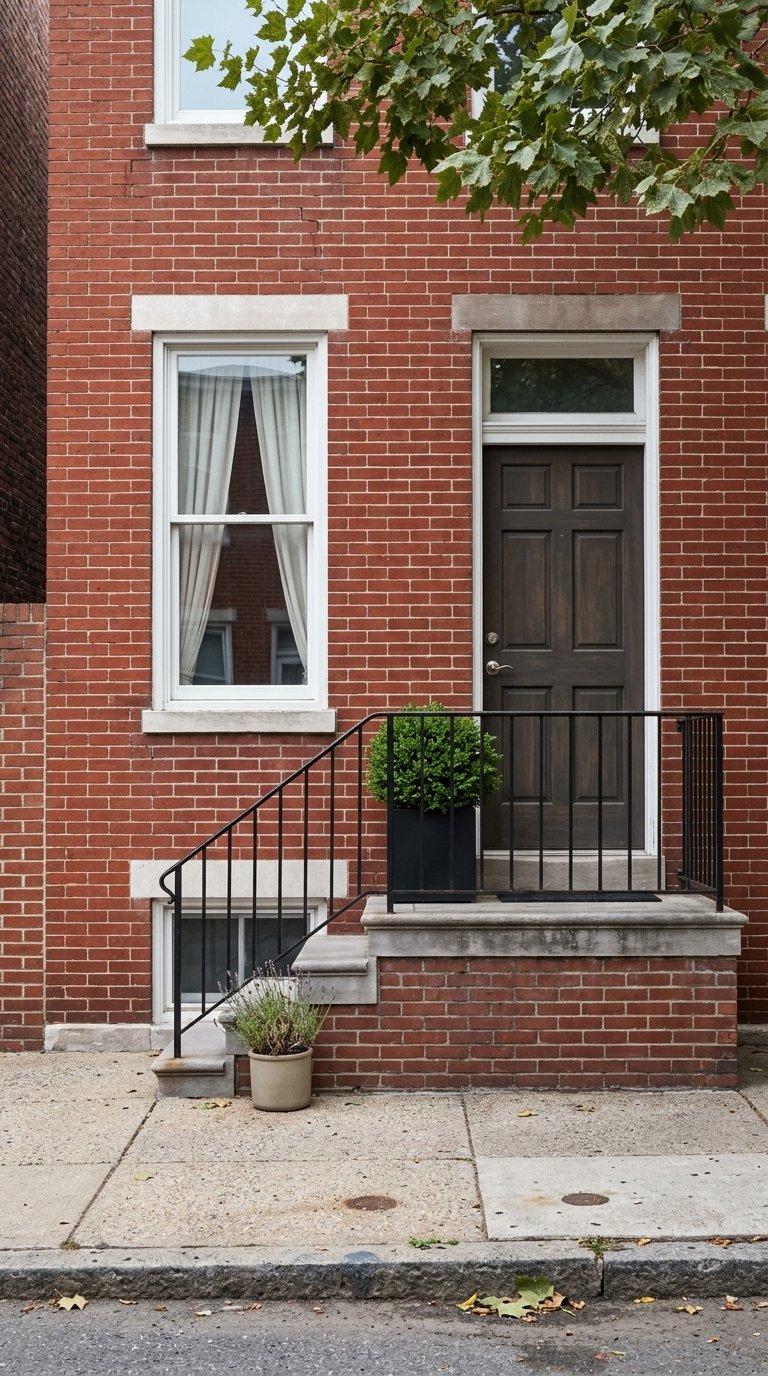
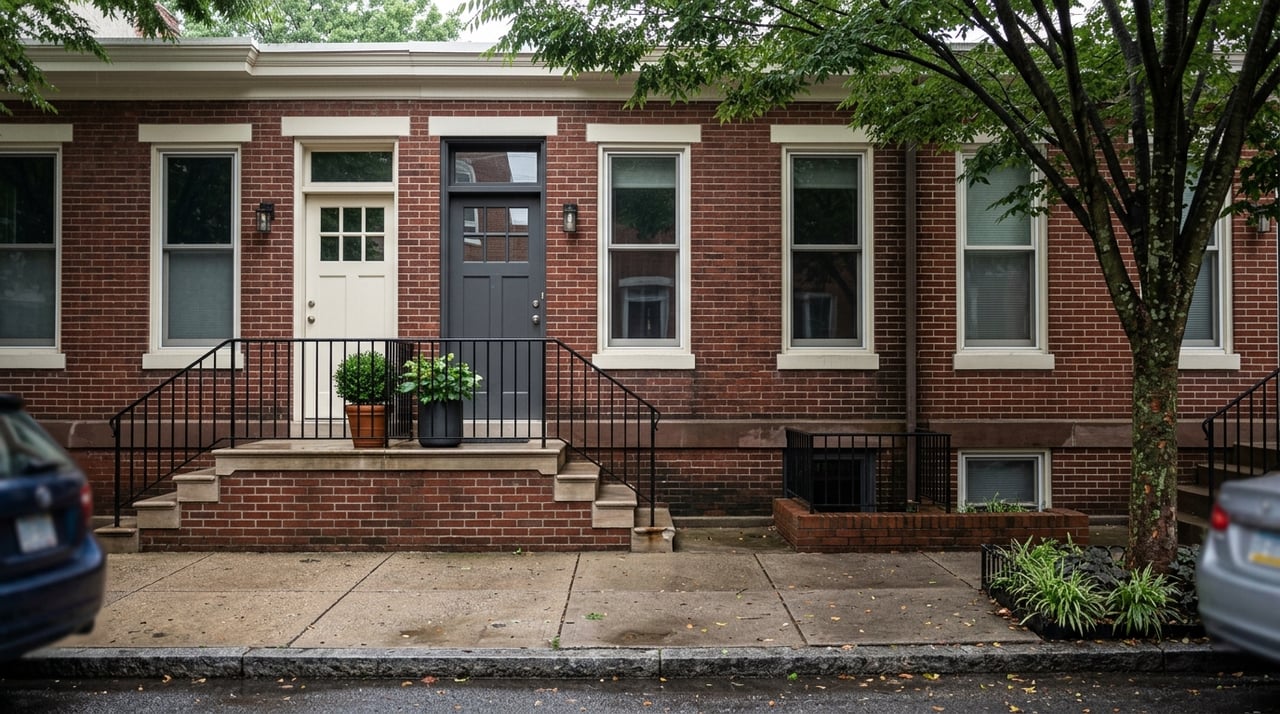
Capitol Hill’s physical character also affects how buyers evaluate homes. DC preservation materials describe the area as fundamentally residential, with cohesive collections of 19th- and 20th-century rowhouses, Victorian housing, and small-scale commercial and institutional buildings punctuating the district’s parks and squares.
That consistency gives the neighborhood much of its appeal. Even when different micro-areas feel distinct, the broader rowhouse fabric helps create a recognizable Capitol Hill experience.
It also influences what buyers expect inside. In many cases, you are weighing classic urban housing patterns, attached homes, and trade-offs between location, interior size, and separation from activity.
Space versus walkability is the core trade-off
The DC Comprehensive Plan says Capitol Hill benefits from an excellent transportation network, wide sidewalks, and street trees that make walking easy. It also notes that auto ownership is an option rather than a necessity for many households.
That walkable setup is a major reason buyers focus so heavily on homes near Eastern Market. But it also sharpens the central question of the search: how much space are you willing to trade for everyday convenience?
In the most walkable part of the Hill, you may prioritize proximity to groceries, Metro, dining, and public life. A few blocks farther out, you may find a different balance with a little more separation or a different block feel while still staying close to the area’s core amenities.
Metro access changes your search map
The southeast portion of Capitol Hill is served by Capitol South, Eastern Market, Potomac Avenue, and Stadium-Armory Metro stations. WMATA station locations show that Eastern Market and Capitol South serve different parts of the Hill, with Capitol South at 355 First Street SE and Eastern Market at Pennsylvania Avenue and 7th Street SE.
This is one reason broad online map searches can be misleading. Two homes both labeled Capitol Hill may offer very different daily routines depending on whether they sit closer to Eastern Market, the 8th Street corridor, or the western side of the neighborhood.
If commuting or car-light living matters to you, Metro access should be part of your block-by-block comparison from the beginning. It is not just about being in Capitol Hill. It is about which part of Capitol Hill supports the way you actually live.
Traffic is part of the equation
The same Comprehensive Plan that praises walkability also notes heavy commuter traffic moving to and from areas east of the Anacostia River. That does not define every block, but it does help explain why street placement can matter so much when buyers compare homes.
A home’s immediate surroundings may influence how peaceful or busy it feels at different times of day. When you evaluate location, pay attention to more than distance. Look at corridor access, park proximity, and where the home sits relative to the area’s main movement patterns.
What this means for your home search
If you are searching near Eastern Market, the goal is not simply to get as close as possible. The goal is to find the right lifestyle mix for you.
You may want:
- The shortest walk to the market and Metro
- Quick access to Barracks Row dining and neighborhood businesses
- A more residential block a few streets away
- Park adjacency for a calmer feel
- A balance between historic charm, walkability, and interior space
That is why experienced local guidance matters on Capitol Hill. Small block differences can create meaningful lifestyle differences, and the right strategy is usually more precise than a simple neighborhood label.
If you want help narrowing the search, comparing micro-areas, or understanding how a specific block may fit your routine, connect with Roger Taylor.
FAQs
How does Eastern Market affect Capitol Hill home searches?
- Eastern Market concentrates groceries, local goods, community activity, and Metro access into a compact area, which makes nearby homes especially appealing to buyers who value walkability and daily convenience.
Which Capitol Hill blocks feel residential near Eastern Market?
- In general, blocks a few streets away from 7th Street SE and the busiest market frontage may offer a more residential feel while still keeping you close to Eastern Market’s amenities.
How does Barracks Row influence Capitol Hill buyers?
- Barracks Row adds value for buyers who want easy access to one of Capitol Hill’s main commercial corridors, while also creating a trade-off between street activity and quieter residential blocks nearby.
Which parks matter in a Capitol Hill home search?
- Lincoln Park, Stanton Park, Folger Park, Marion Park, Seward Square, Twining Square, and other Capitol Hill park spaces can shape how open, calm, or connected a block feels during your search.
What is the main trade-off near Eastern Market?
- The main trade-off is usually space versus walkability, with the closest-in homes often offering the strongest convenience while homes a bit farther away may provide a different balance of quiet and interior space.