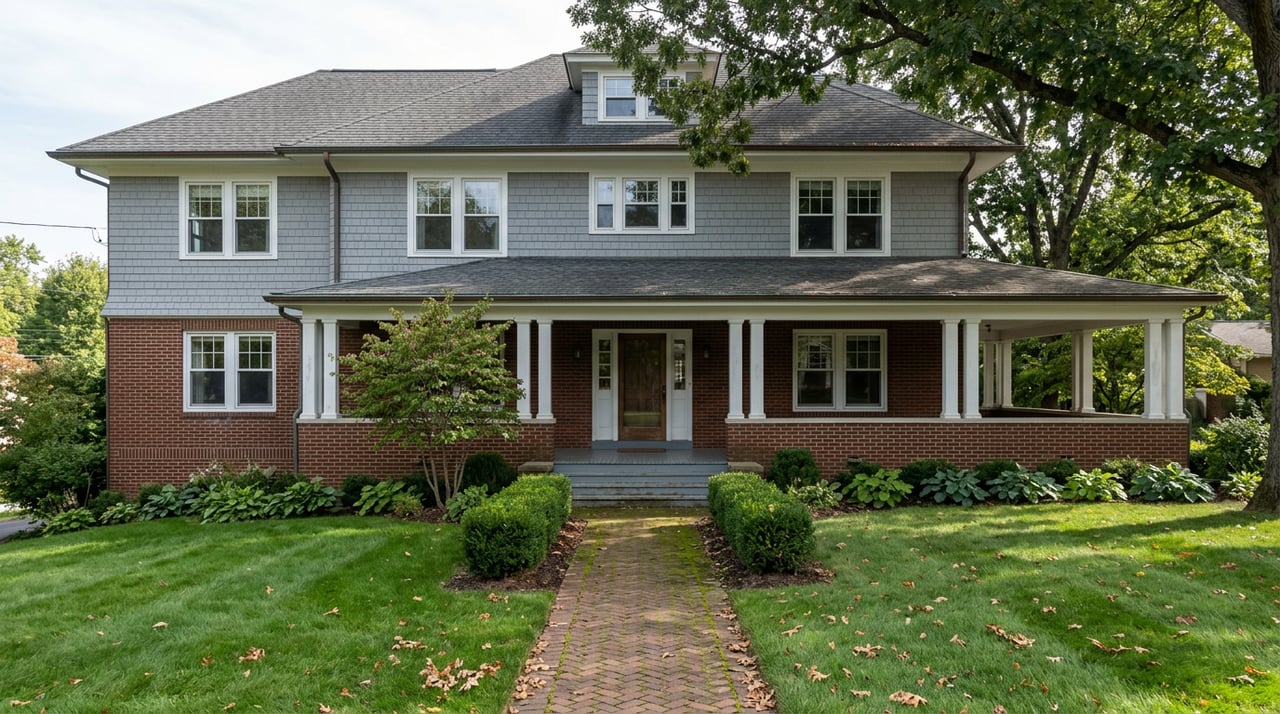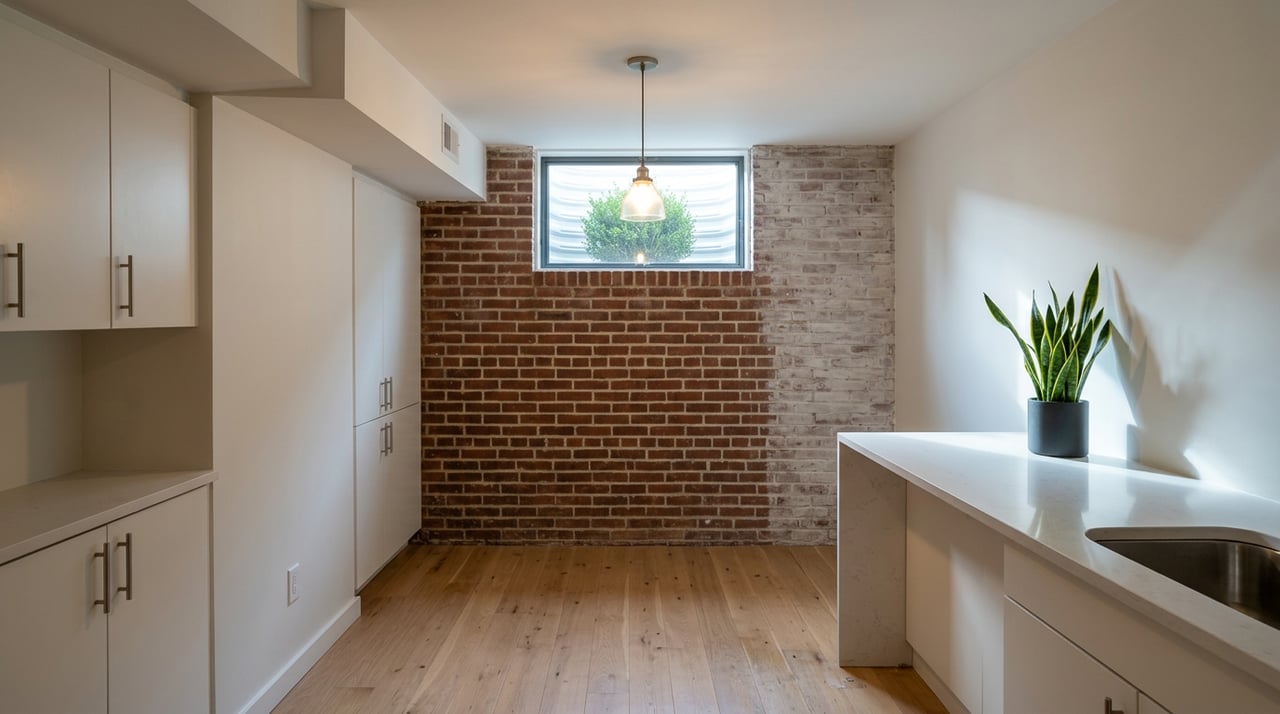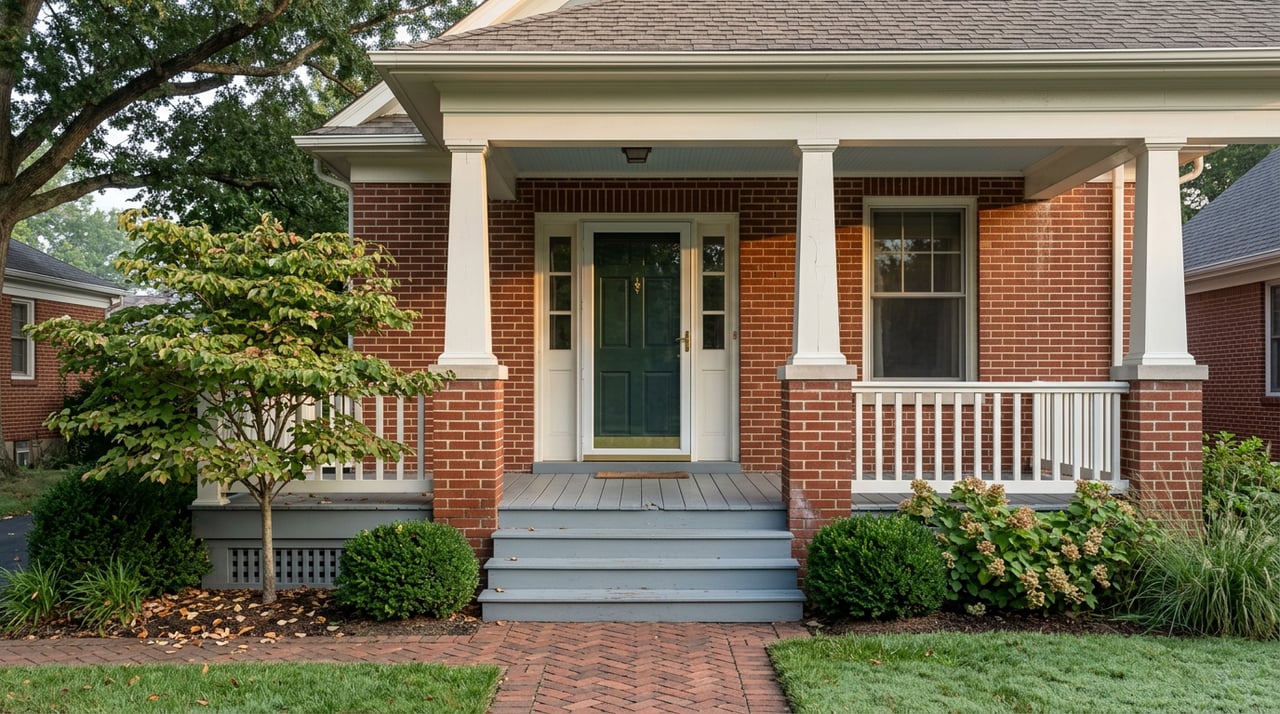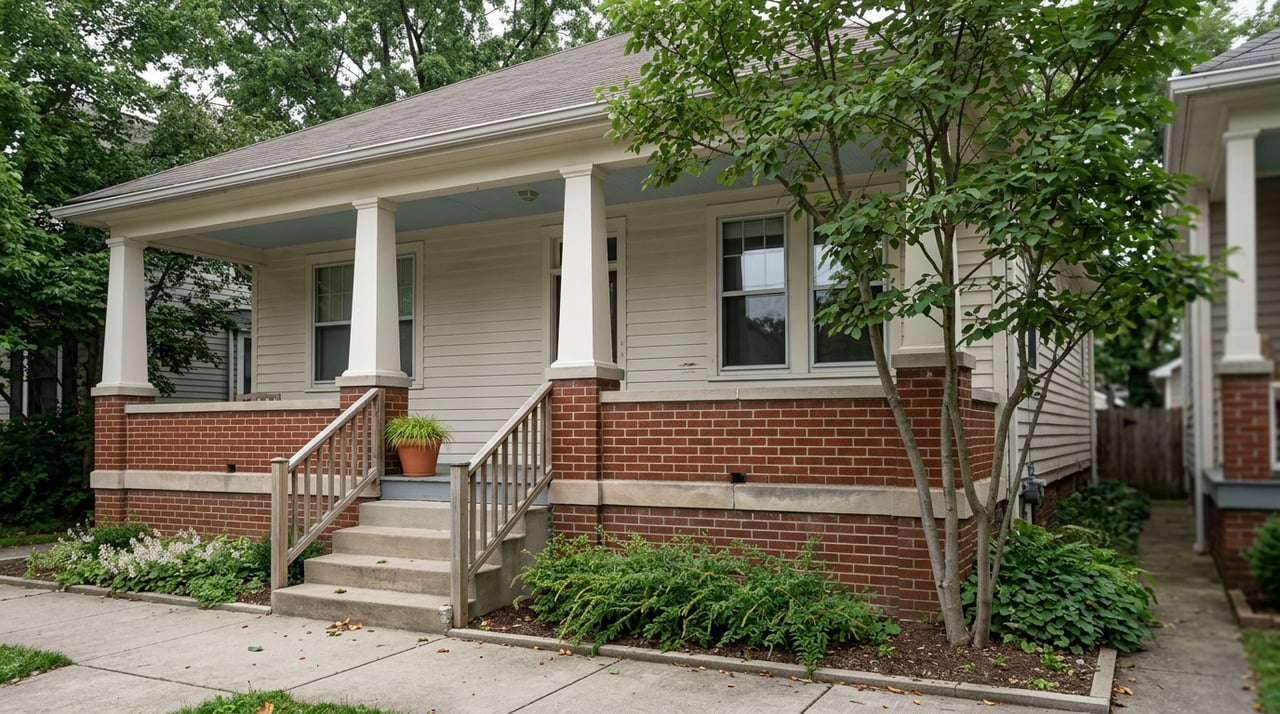
Trying to choose between a co-op and a condo at SW Waterfront? You are not alone. In DC’s 20024 waterfront market, that choice can shape your financing, monthly costs, renovation plans, and even how the building handles rentals and approvals. If you want a clear way to compare your options without getting lost in jargon, you are in the right place. Let’s dive in.
Why SW Waterfront Feels Different
SW Waterfront stands out because it offers both established cooperative communities and newer condominium inventory in the same neighborhood. That gives you a real side-by-side choice that many DC buyers do not get.
In 20024, the area includes well-known co-op communities such as Tiber Island Cooperative Homes and River Park Mutual Homes, along with condo options at The Wharf like Amaris, VIO, and 525 Water. The result is a neighborhood where your decision is not just about layout or price, but also about ownership structure and lifestyle.
The setting matters too. The Wharf describes a mile of waterfront living with parks, piers, residences, restaurants, businesses, and more than 17 acres of parks and open green space. Tiber Island highlights being one block from Waterfront Station and close to bus routes, daily errands, and waterfront access.
Co-op vs Condo Basics
Before you compare buildings, it helps to understand the structural difference. A co-op and a condo may look similar from the sidewalk, but the way you own them is very different.
How co-op ownership works
In a market-rate co-op, the corporation owns the property. When you buy, you purchase shares or membership in the corporation along with exclusive occupancy rights to a specific home through a proprietary lease or similar document.
That means you are not taking direct title to the individual unit in the same way you would with a condo. It also means the sale is typically subject to co-op approval.
How condo ownership works
With a condo, you hold title to your individual unit. You also own a shared interest in the common areas and building elements.
For many buyers, that structure feels more familiar because it follows a more standard ownership model. It can also affect financing, taxes, insurance, and rental flexibility.
Financing in SW Waterfront
Financing is often one of the biggest practical differences between these two choices. If you are deciding between a co-op and a condo, this is one of the first areas to review.
Co-op financing usually needs more early planning
Co-op financing is usually done through a share loan. According to the DC Cooperative Housing Coalition, lenders typically want a recognition agreement with the co-op, and lender fit should be part of your due diligence from the start.
That is important because not every lender is set up the same way for co-op transactions. If you are considering a co-op in SW Waterfront, it helps to confirm financing options early rather than after you fall in love with a unit.
Condo financing is often more standard
Condo purchases generally follow a more familiar mortgage path. That can make the process feel more straightforward for buyers who want conventional financing steps and fewer structure-specific hurdles.
That does not mean condos are automatically easier in every case, but the financing path is often more standard than with a co-op. For many first-time buyers and relocation clients, that can be a major plus.
What the Monthly Fee Really Means
A quoted monthly fee does not tell the whole story. To compare a co-op and a condo fairly, you need to look at the full monthly carrying cost, not just the line item listed in the property details.
Co-op fees are often more bundled
In a co-op, monthly assessments often cover operating and maintenance costs, management fees, association insurance, reserves, and real estate taxes. They may also include any share of an underlying or blanket mortgage.
Because of that, a co-op fee can look high at first glance. But that number may be covering items that condo owners pay separately.
Condo costs are often split into separate pieces
With a condo, owners usually pay real estate taxes directly to the District. You also need to budget separately for your mortgage, insurance, and condo association dues.
This cleaner separation can make the monthly condo fee look lower. Still, the better comparison is your total monthly outlay after taxes, insurance, loan payment, and association dues are all included.
Special assessments can happen in either structure
Both co-ops and condos can have special assessments for major one-time expenses. Those costs may come up when reserves and regular monthly payments are not enough to cover a major project or repair.
That is why it is smart to compare more than just the sticker price or regular fee. Reserve strength and the building’s approach to long-term maintenance matter a lot.
Insurance and Tax Details to Know
These details are easy to overlook, but they can affect your budget and planning.
Condo insurance often covers your unit interior
The DC Department of Insurance, Securities and Banking says condo owners are responsible for the interior walls and floors of the unit. The agency also notes that some associations can assess owners for certain building damage, depending on the bylaws.
That means you should review the building documents closely. Insurance responsibility is not something you want to guess about after closing.
Co-op tax handling works differently
For owners living in a cooperative housing association, the DC Office of Tax and Revenue says co-op management or its representative supplies and collects the homestead deduction application. That is a local administrative detail, but it shows how co-op ownership can work differently behind the scenes.
In practical terms, co-op taxes are often part of the monthly assessment rather than a separate direct payment to the taxing authority. That can simplify one part of your monthly budgeting, even if the overall structure is less familiar.
Renovation Rules and Approval Steps
If you plan to update a kitchen, replace flooring, or change windows or doors, do not assume the process will be quick. In SW Waterfront, both District rules and building rules can shape your renovation timeline.
District permits may be required
The DC Department of Buildings says interior alterations require building permits. For some properties, window and door work may also trigger additional approval steps, especially in historic or Commission of Fine Arts jurisdictions.
That means your first question should not be, “Can I afford the renovation?” It should also be, “What approvals are required?”
Building rules matter in both co-ops and condos
Condo and co-op bylaws may require advance approval for improvements. They may also limit materials, finishes, or other design choices.
This matters a lot if you are buying with a fast renovation plan in mind. A beautiful unit with “potential” is only a good fit if the approval path works for your timeline and goals.
Rental Flexibility and Community Oversight
One of the biggest lifestyle differences between co-ops and condos involves leasing and occupancy rules.
Co-ops often have tighter rental rules
According to DCCHC, many co-ops interview prospective owners and renters. They may also limit how long a unit can be rented or how many units may be rented at once.
For some buyers, that added oversight is a positive. It can support a more hands-on, community-oriented governance style.
Condos often allow more flexibility
Condos typically do not interview prospective owners and renters, and they may have less direct oversight of who is moving in. In many cases, that can translate to a more flexible experience for owners who want a more standard ownership model.
If future leasing matters to you, ask about rental caps, lease terms, move-in rules, and approval processes before you write an offer. This is especially important for buyers who may relocate again or want investment flexibility.
Amenities and Lifestyle at SW Waterfront
At SW Waterfront, the building experience can vary a lot depending on whether you prefer established communities or newer amenity-rich residences.
Established co-op communities
Tiber Island advertises two fitness centers, an outdoor pool, a clubhouse, 24-hour front desk service, storage, controlled-access buildings, and garage parking. River Park Mutual Homes is a notable midcentury modern cooperative community on 11 acres, with two eight-story towers completed in 1962, 380 co-op residences, and 138 townhomes.
If you are drawn to larger sites, strong resident participation, and classic Southwest architecture, these communities may stand out. They offer a very different feel from newer construction.
Newer Wharf condo living
The Wharf condo buildings emphasize newer amenities and the larger public waterfront setting. The area includes pools, rooftop green space, courtyards, parks, piers, restaurants, year-round events, water taxi access, a free ferry, a kayak and paddleboard launch, the SW Shuttle, Capital Bikeshare, and access to multiple Metro lines.
If your priority is newer finishes, direct title ownership, and a destination-style waterfront lifestyle, a condo may be the stronger match. In SW Waterfront, the lifestyle question is often just as important as the ownership question.
How to Compare Co-ops and Condos Well
If you are touring homes in 20024, use a simple comparison framework. It can help you move past first impressions and focus on the factors that really shape ownership.
Compare these five items
- Total monthly carrying cost, not just the listed fee
- Reserve strength and the risk of future special assessments
- Financing fit, including lender readiness for co-op share loans
- Rental policy and any occupancy restrictions
- Insurance split and what you would need to cover personally
You should also compare the amenity package, commute convenience, and renovation approval rules. In SW Waterfront, those details can make one building feel far more practical for your life than another.
Which Option May Fit You Best
There is no one-size-fits-all answer here. The right choice depends on how you want to own, live, budget, and plan for the future.
You may lean toward a co-op if you value bundled monthly carrying charges, stronger community oversight, and a relationship-driven approval process. You may prefer a condo if you want direct title, a more standard financing path, and more flexibility around future leasing.
In SW Waterfront specifically, the decision often comes down to older full-service co-op communities versus newer Wharf condos with waterfront views and modern amenities. Both can be excellent choices when the structure matches your goals.
If you want help comparing a specific co-op and condo in 20024, working with an advisor who knows the neighborhood and the paperwork can save you time and stress. To talk through your options, connect with Roger Taylor.
FAQs
What is the difference between a co-op and a condo in SW Waterfront?
- In a co-op, you buy shares or membership in the corporation that owns the property and receive occupancy rights to a home. In a condo, you take title to the individual unit and share ownership of the common areas.
What do monthly co-op fees usually include in DC?
- Co-op monthly assessments often include maintenance, management, association insurance, reserves, real estate taxes, and sometimes a share of an underlying mortgage.
How does condo budgeting work in SW Waterfront?
- Condo owners usually budget separately for mortgage payments, real estate taxes, insurance, and condo association dues.
How hard is co-op financing in Washington, DC?
- Co-op financing usually involves a share loan and lender coordination with the co-op, so it is wise to confirm lender fit early in the process.
Can you rent out a co-op or condo in SW Waterfront?
- Possibly, but the rules can differ a lot by building. Co-ops often have tighter rental limits and approval processes, while condos may offer more flexibility.
Do SW Waterfront buyers need renovation approval?
- Yes, many renovations require both District permits and building approval, so you should review the permit path and the building rules before making plans.