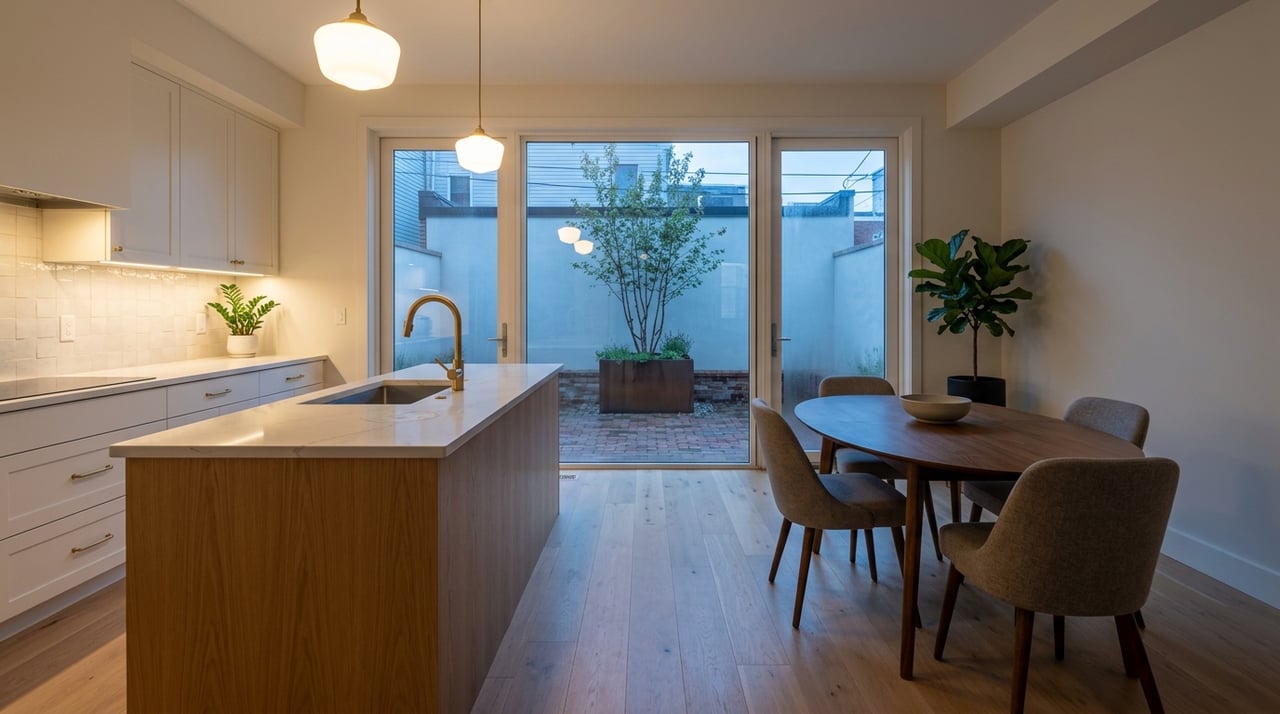
If you market a luxury rowhouse in Logan Circle the same way you would market a standard city property, you risk missing what buyers actually value. In this part of Washington, D.C., architecture, block-by-block context, and launch strategy matter just as much as square footage and finishes. If you are thinking about selling, this guide will show you how to position your home, price it thoughtfully, prepare it for market, and launch with purpose. Let’s dive in.
Why Logan Circle Marketing Is Different
Logan Circle is not just another close-in D.C. neighborhood. The Logan Circle Historic District was designated in 1972, and its period of significance spans 1875 to 1900, with many of its three- and four-story brick and stone rowhouses built during that era.
That historic fabric shapes how buyers see value. In a luxury rowhouse sale, your home is often judged not only by its interior updates, but also by its architectural presence, façade character, and relationship to the streetscape.
The broader corridor adds another layer of appeal. The DC Comprehensive Plan describes the 14th Street NW and Logan Circle area as a mixed-use corridor with historic mansions, row houses, and larger residential buildings, while also noting its role as one of the city’s premier food and entertainment districts.
Lead With Architecture and Lifestyle
Luxury buyers in Logan Circle are often responding to a combination of design and setting. They are not simply comparing your property to any townhouse in the city. They are looking at whether the home feels authentic to the neighborhood and whether it offers a polished urban lifestyle in one of D.C.’s most recognized historic settings.
That means your marketing should highlight features such as:
- Original or preserved façade character
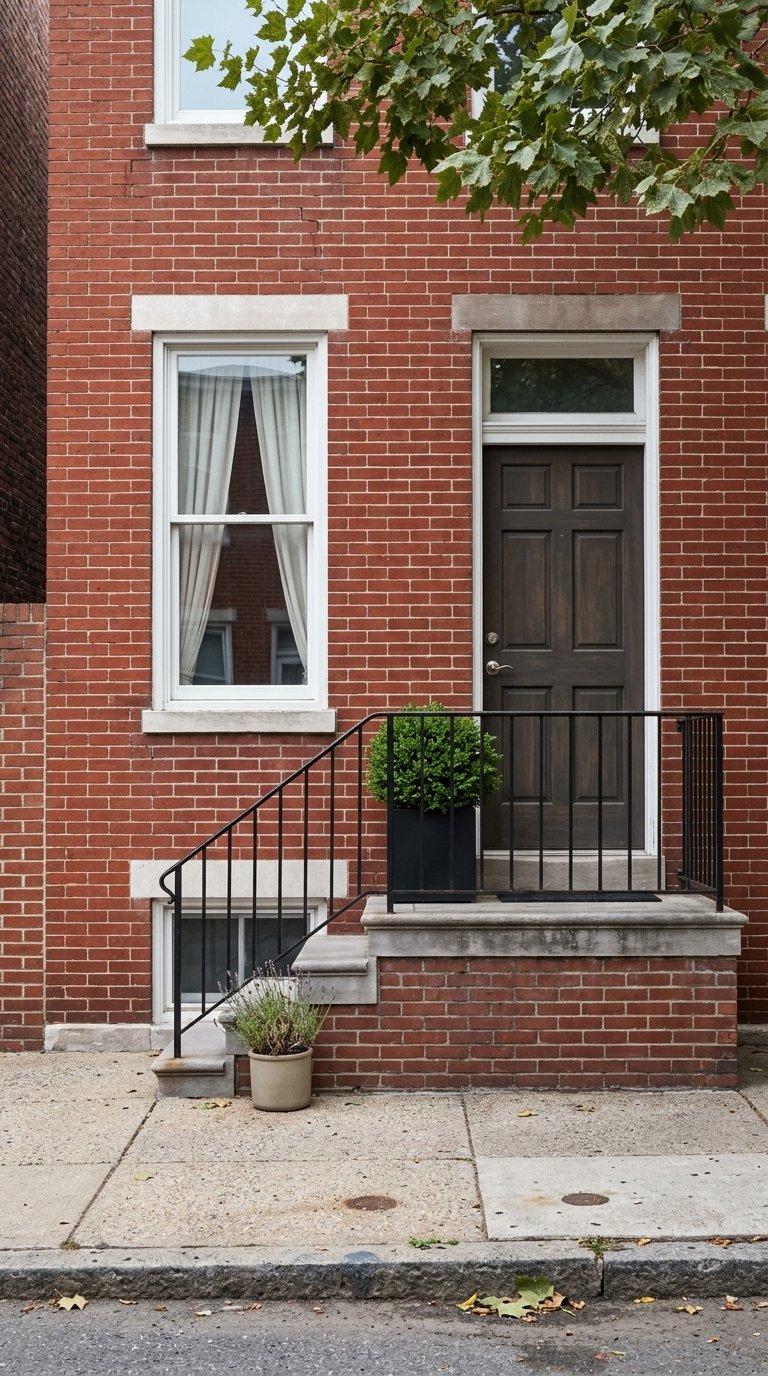
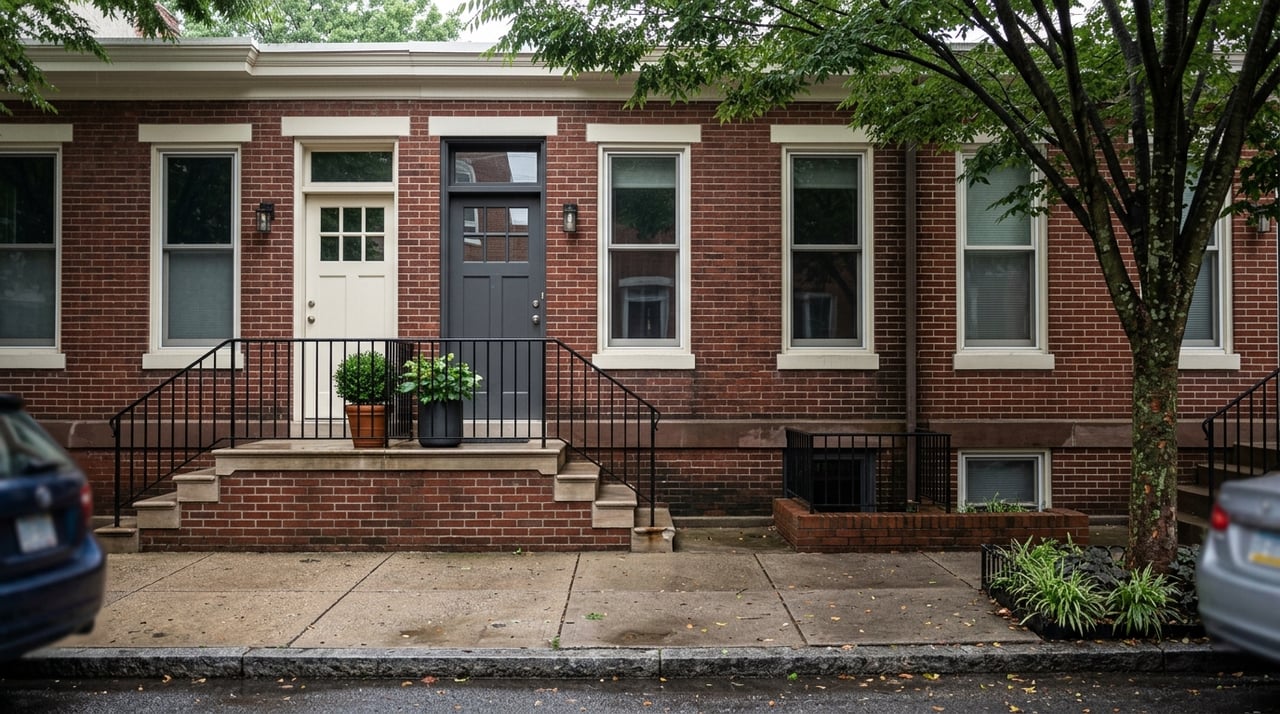
- Brick and stone detailing
- Bay windows and symmetry
- Ironwork and entry details
- Thoughtful renovations that respect the home’s historic feel
- Access to the Logan Circle and 14th Street NW corridor lifestyle
The district’s documented architectural identity supports this approach. DC’s historic preservation guidelines overview makes clear how important exterior character and visible historic features are in protected areas.
Price With the Right Comps
One of the biggest mistakes sellers make is relying on broad neighborhood averages. In Logan Circle, that can lead to a pricing strategy that is too generic for a luxury rowhouse.
The data show why. Redfin’s Logan Circle market page reported a broader Logan Circle median sale price of $785,000 in February 2026. Its Logan Circle Historic District figures were much higher, with a median sale price of $1,071,250, a median of 76 days on market, and a 94.8% sale-to-list ratio, based on a much smaller set of sales.
Meanwhile, Zillow’s Logan Circle home values page reported an average home value of $570,479 as of February 28, 2026, and it notes that this figure comes from an estimated value index rather than closed-sale comps. That is useful context, but it is not the same thing as pricing a specific historic rowhouse for sale.
Why Broad Averages Can Mislead
A luxury rowhouse in the historic district should not be priced from a citywide average or a broad neighborhood blend. Different data sources use different geographies, sales samples, and valuation methods, which can produce very different numbers.
At the metro level, Bright MLS market data showed a Washington metro median sold price of $610,000 in February 2026, with 1.86 months of supply and 22 median days on market. DC REALTORS market insights in that same report showed a city median sold price of $652,500 and an average sold-to-list ratio of 94.4% for January 2026. Those metrics help frame the market, but they do not replace same-block or same-typology analysis.
For a Logan Circle luxury rowhouse, the strongest pricing signals usually come from recent comparable sales that match your home’s location, scale, historic character, and finish level. That is especially true when the available sales pool is small.
Prepare Early for Historic-District Rules
Before you schedule photography or commit to exterior updates, it helps to understand what may require review. Under D.C. law governing historic properties, exterior or site alterations to a building in a historic district may require review before a permit can be issued.
That does not mean selling in Logan Circle is difficult. It means your timeline should account for it if you are planning façade work, visible exterior repairs, or site changes.
What to Evaluate Before Launch
If you are preparing a luxury rowhouse for market, review these items early:
- Masonry or façade repairs
- Exterior paint or trim changes
- Front steps, railings, or ironwork work
- Visible window or door changes
- Site or hardscape updates
Interior staging, styling, and photography can often move on a faster timeline. Exterior work is where planning matters most.
Use Photography That Sells the Setting
In Logan Circle, buyers are often purchasing a feeling as much as a floor plan. Your visuals should show not just rooms, but the architectural story of the home.
Strong listing photography should emphasize:
- Full-façade curb appeal
- Masonry texture and craftsmanship
- Bay windows and vertical rhythm
- Entry sequence and ironwork
- Natural light and sight lines inside
- How modern updates live within a historic shell
This is especially important in a neighborhood where the preserved streetscape is part of the value proposition. Generic listing photos can flatten the story. Tailored visuals help buyers understand why your rowhouse stands apart.
Stage the Home for a Luxury Buyer
Luxury presentation should feel clean, intentional, and elevated. In a Logan Circle rowhouse, that usually means letting the architecture lead while using staging to clarify scale, flow, and livability.
The goal is not to overfill the house. It is to help buyers see how formal rooms, open living spaces, outdoor areas, or upper-level retreats function in daily life.
For sellers who want to improve presentation without paying all costs upfront, Compass Concierge offers access to services such as staging, painting, flooring, and more, with zero due until closing. That can make it easier to complete strategic pre-sale work before the home hits the market.
Consider a Phased Launch
A luxury rowhouse does not always benefit from going public on day one without a runway. In some cases, a staged launch gives you more control over pricing, presentation, and buyer response.
Compass Private Exclusives allows sellers to test price, gather early feedback, and build anticipation before launching publicly, with access to Compass’ national agent network. Compass also reports in its 2024 internal analysis that pre-marketed listings were associated with a 2.9% higher closing price, a 20% faster time to contract, and a 30% lower likelihood of a price drop, while noting those outcomes are not guaranteed.
For the right Logan Circle property, a thoughtful sequence may look like this:
- Evaluate needed prep work
- Complete targeted improvements and staging
- Fine-tune pricing from relevant luxury comps
- Use a private or limited pre-market phase if it supports the strategy
- Launch publicly with strong photography, clear positioning, and a polished narrative
Why Luxury Expertise Matters
Not every agent markets luxury property the same way. In a neighborhood like Logan Circle, you want a strategy that balances data, presentation, and buyer psychology.
The Certified Luxury Home Marketing Specialist designation is tied to documented luxury transactions in the top 10% of a local market and includes training focused on high-end property marketing, market analysis, negotiation, and communicating value clearly.
That matters when your sale depends on more than posting a listing online. A luxury rowhouse often requires sharper positioning, stronger visual storytelling, and careful handling of price, timing, and privacy.
A Smart Logan Circle Selling Strategy
If you are selling a luxury rowhouse in Logan Circle, the best results usually come from a strategy built around the property you actually own, not the average numbers you see online. Historic context, exterior character, pricing precision, and launch discipline all shape how buyers respond.
When those pieces come together, your home is more likely to stand out for the right reasons. And in a market where buyers can be discerning, that can make a real difference.
If you want a tailored plan for your Logan Circle rowhouse, connect with Roger Taylor for thoughtful pricing guidance, Compass-powered marketing support, and a polished launch strategy built for the D.C. luxury market.
FAQs
How should you price a luxury rowhouse in Logan Circle?
- You should look first at recent comparable sales that match your home’s block, property type, historic character, and condition, because broad neighborhood or city averages may not reflect a luxury rowhouse accurately.
Why does the Logan Circle Historic District sell differently from broader Logan Circle?
- The historic district is a narrower subset with a different housing mix, higher-value rowhouses, and a smaller sales sample, which can produce very different market numbers.
Do exterior updates on a Logan Circle historic rowhouse need approval?
- Exterior or site changes may require review before a permit is issued because the property is in a historic district, so it is smart to evaluate that early in the selling timeline.
What should listing photos emphasize for a Logan Circle luxury home?
- Listing photos should highlight architectural details, façade character, masonry, bay windows, ironwork, and the connection between the home and the street.
Is a phased marketing plan useful for selling a luxury Logan Circle property?
- Yes, a phased approach can help you refine pricing, gather early feedback, and build momentum before a full public launch, especially when presentation and privacy matter.
Why work with a luxury specialist to sell a Logan Circle rowhouse?
- A luxury specialist brings documented high-end transaction experience and training in pricing, marketing, negotiation, and buyer communication, which can be especially valuable for a distinctive historic property.