Thinking about buying your first detached home in Woodridge? You are not alone. For many buyers, Woodridge stands out because it offers a different feel from many other D.C. neighborhoods, with detached homes, larger yards, and a more space-oriented layout. In this guide, you will learn what makes Woodridge distinct, how to prepare financially, and what to watch for as you shop. Let’s dive in.
Why Woodridge Appeals to Detached-Home Buyers
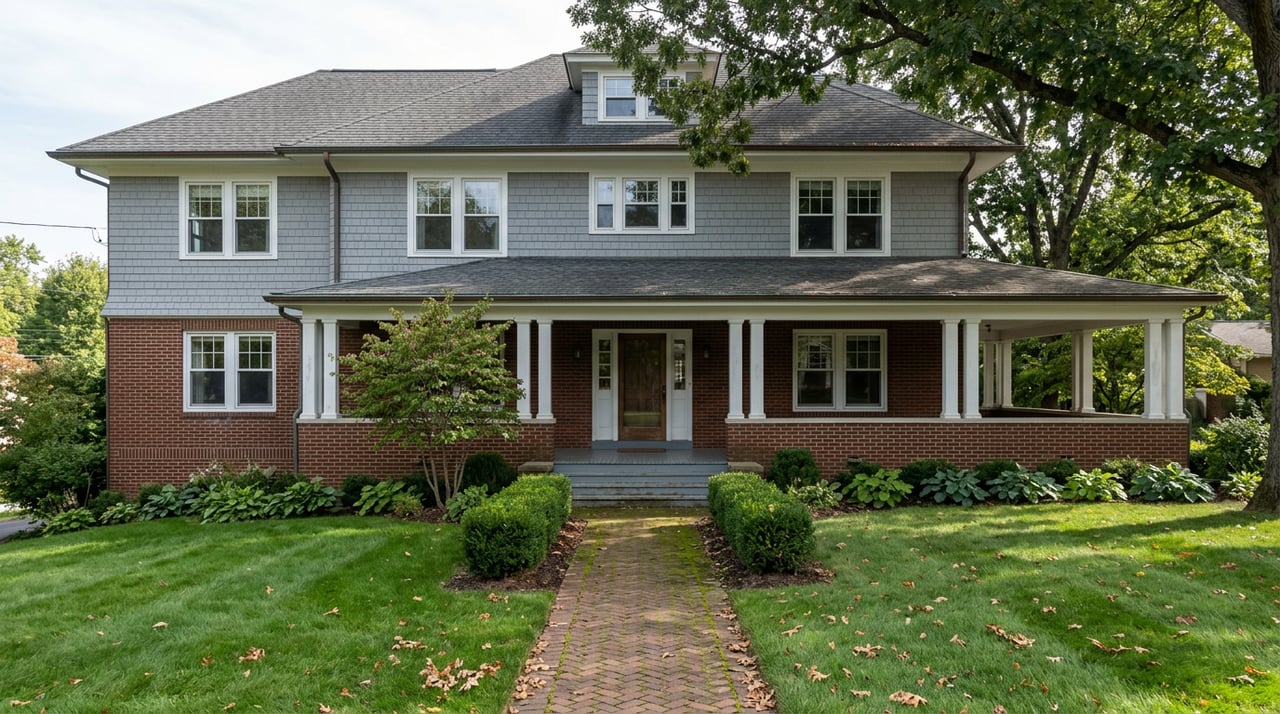
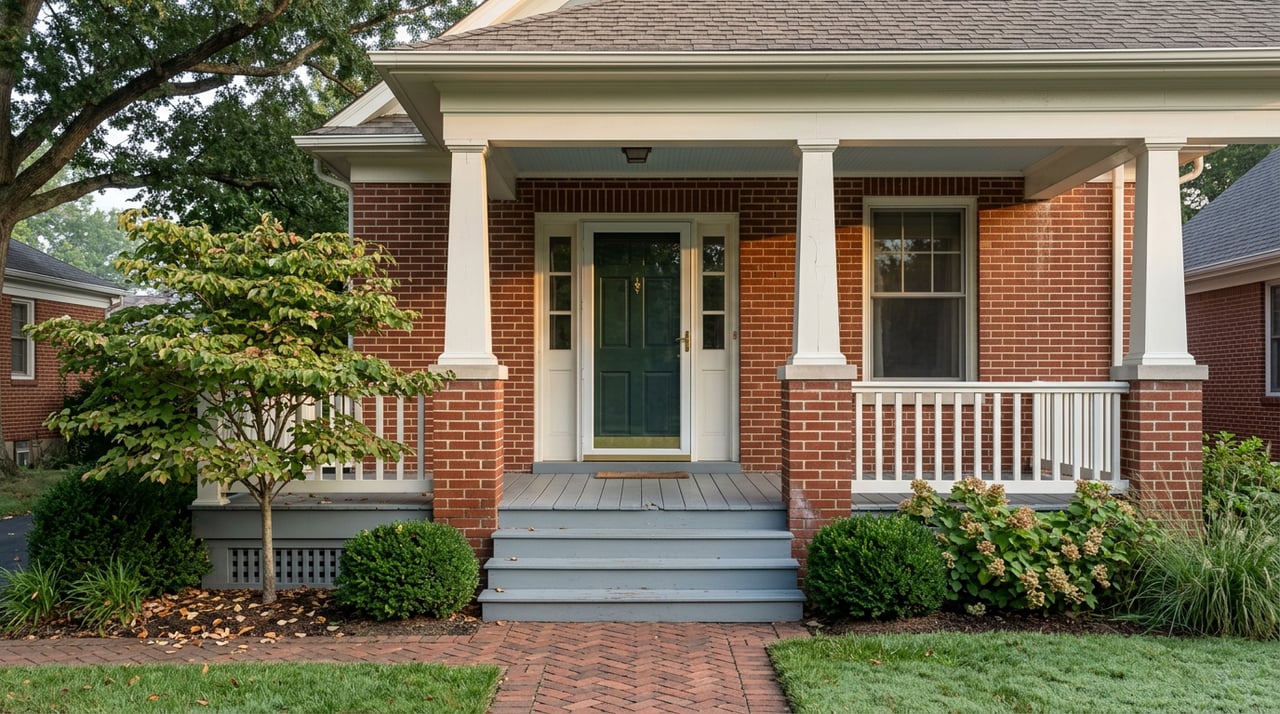
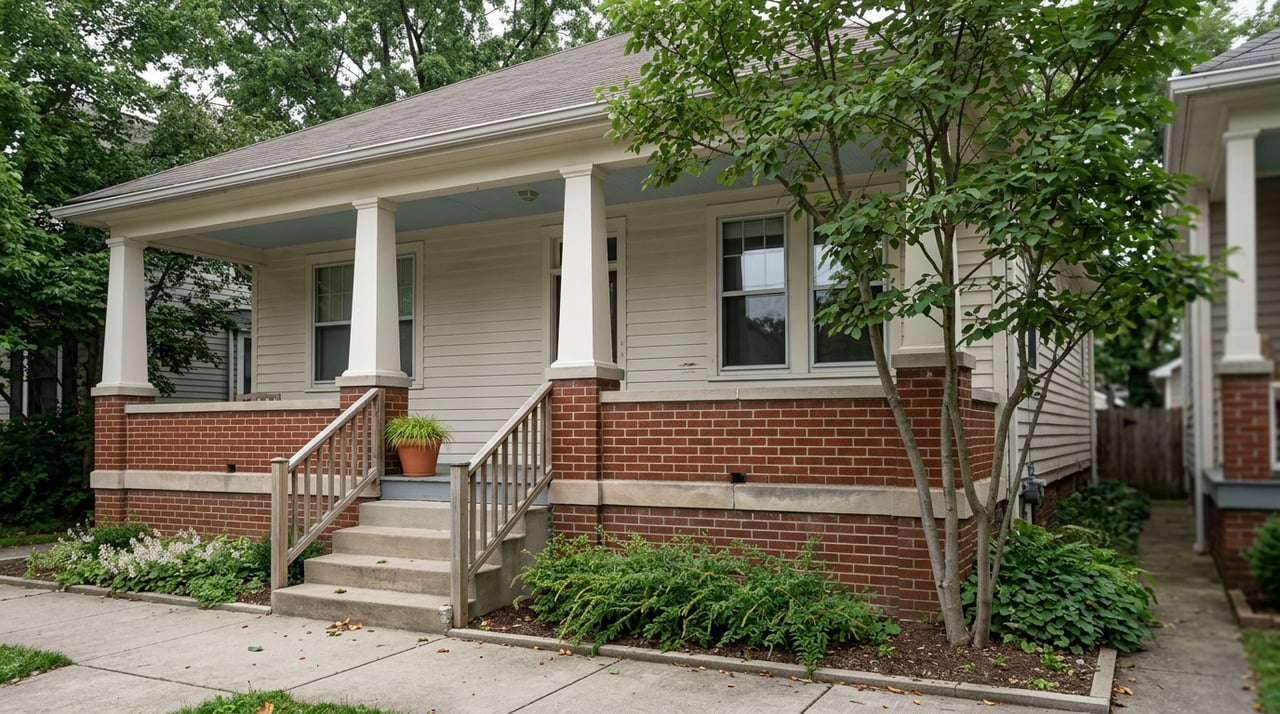
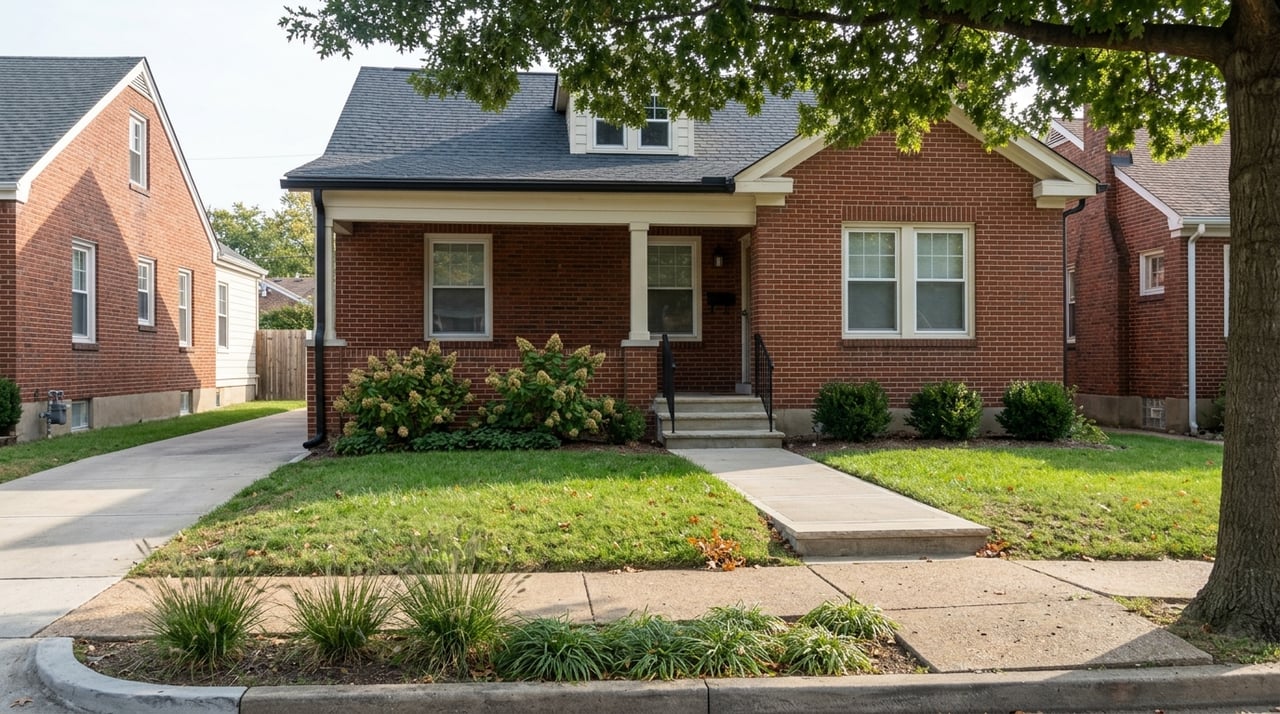
Woodridge is a primarily residential neighborhood in Ward 5. District planning materials describe it as one of Ward 5’s early 20th century bungalow neighborhoods, and neighborhood sources point to detached Craftsman, Colonial, and bungalow homes with mature trees and larger yards.
That matters if you are buying your first detached home in D.C. In Woodridge, the decision is often about more than square footage alone. You may also be comparing lot width, outdoor space, driveway access, and room to grow over time.
Rhode Island Avenue NE serves as the neighborhood’s commercial strip, and the area sits just west of Eastern Avenue near the Maryland line. Taken together, that gives Woodridge a residential feel while still keeping you connected to everyday services and regional commuting options.
What Makes a Detached Home Different
If you have mostly looked at condos, co-ops, or rowhouses, buying a detached home comes with a slightly different checklist. You are not only evaluating the inside of the house. You are also evaluating the land around it and the condition of exterior systems that may be fully your responsibility.
In Woodridge, that means paying close attention to features like:
- Lot size and usable yard space
- Driveway or off-street parking access
- Roof age and condition
- Exterior siding or masonry condition
- Windows and insulation performance
- Drainage around the property
- Space for future additions or exterior improvements
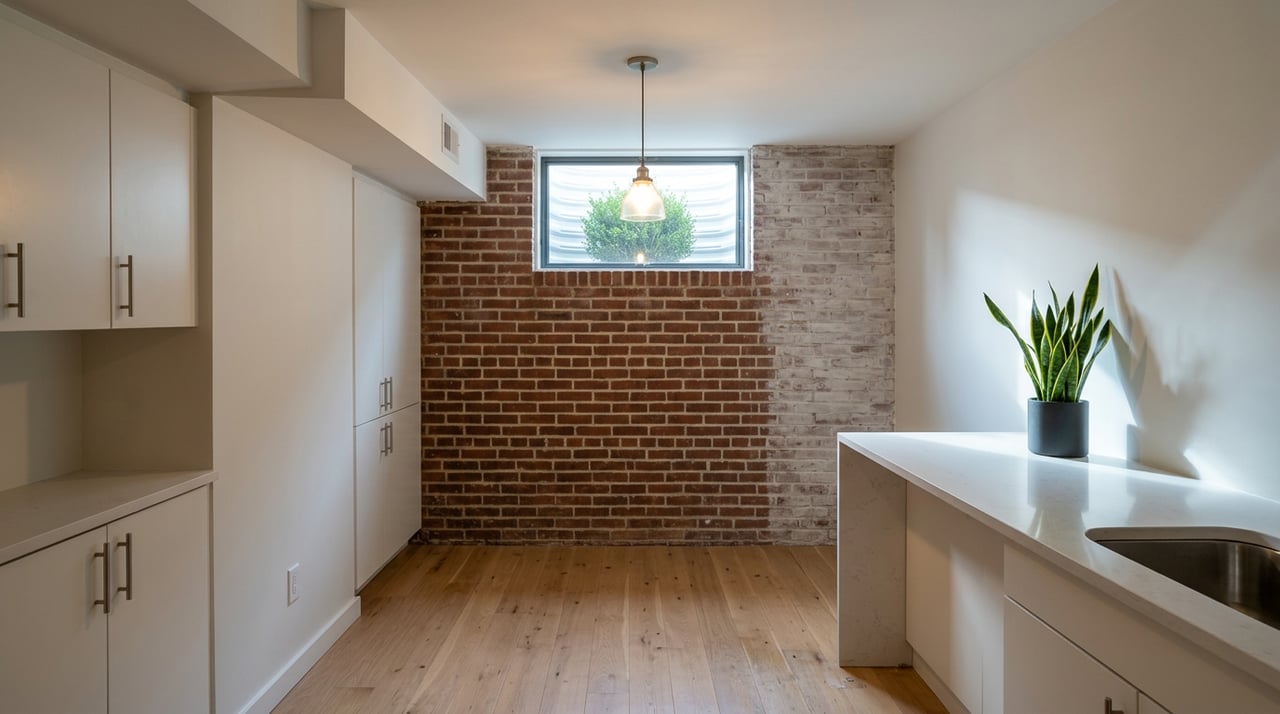
A beautiful kitchen can be exciting, but the bigger long-term value question is often how the full property works for your lifestyle. A detached home can give you flexibility, but it can also come with more maintenance and repair planning.
How to Start the Buying Process
Your first step should be lender shopping and preapproval. Consumer guidance recommends asking at least three lenders for preapproval and comparing at least three loan offers. A preapproval is a lender’s tentative willingness to lend, but it is not a guarantee.
It is also important to remember that preapproval letters can expire, often after 30 to 60 days. If you are planning to search seriously in Woodridge, timing matters. You want your financing paperwork to be current when the right house comes along.
The good news is that getting multiple preapprovals within a short period generally should not create a major credit-score impact. This gives you room to compare your options instead of feeling locked into the first lender you speak with.
Build a Budget Beyond the Down Payment
One of the biggest first-time buyer mistakes is focusing only on the down payment. Your full cash need is usually higher. Closing costs typically run about 2% to 5% of the purchase price, not including your down payment.
For a detached home, you should also leave room for early maintenance, repairs, or system updates. Because Woodridge’s housing stock includes many older homes, it is smart to budget for condition-related costs even if the property shows well on day one.
A practical first-home budget often includes:
- Down payment
- Closing costs
- Inspection expenses
- Immediate repairs or safety items
- Reserve funds for home maintenance
- Moving and setup costs
This kind of planning can help you buy with more confidence and less stress after closing.
Why Inspections Matter in Woodridge
In any market, inspections matter. In a neighborhood with older detached homes, they matter even more. Woodridge’s early 20th century housing stock can offer charm and character, but age often brings added questions about major systems and deferred maintenance.
As you prepare to make an offer, it is wise to include contingencies for financing and a satisfactory inspection. Consumer guidance supports both. If the inspection reveals serious issues or your financing does not come through, those terms can help protect you.
During the inspection period, focus on the items that can affect ownership costs the most. These often include:
- Roof condition
- Electrical system updates
- Plumbing supply and waste lines
- Heating and cooling system age
- Foundation or structural concerns
- Water intrusion or drainage issues
- Window condition and energy performance
For first-time buyers, this is where education really matters. A house does not need to be perfect, but you do want to understand what you are taking on before you close.
Commuting From Woodridge
If you are drawn to Woodridge for its detached homes, you do not have to assume that means a car-only lifestyle. Rhode Island Avenue NE is part of a DC Great Streets corridor, and WMATA route information shows bus connections that link Woodridge to the Rhode Island Avenue station area and downtown.
Current service profiles highlight the G9 limited-stop line during weekday rush hours, the P10 with service every 30 minutes or better, and the D32 with service every 20 minutes or better. The Rhode Island Ave-Brentwood Red Line station is the nearest rail anchor for the corridor.
For some buyers, that opens up more than one commuting routine. You may drive, rely on bus service, or combine bus, rail, and biking depending on your schedule. Even so, it is smart to check the current route and schedule for the exact line you plan to use before you buy.
DC Programs First-Time Buyers Should Know
If you are buying your first home in the District, local programs may help. The DC Home Purchase Assistance Program, known as HPAP, offers interest-free loans and closing-cost assistance for qualified applicants buying eligible homes in the District, including single-family houses.
Program materials note that qualified prospective homeowners may receive up to $202,000 in financing assistance plus up to $4,000 in closing-cost assistance. Eligibility and program requirements apply, so this is something to review early in your planning process rather than at the last minute.
DC also offers a reduced recordation tax rate for qualified first-time District homebuyers. For houses and condominium units, the rate is 0.725%, and the application must be submitted when the deed is recorded.
These programs can make a meaningful difference in your cash-to-close picture. If you are stretching for a detached home in Woodridge, understanding local assistance options early can help you shop more strategically.
Check Property Status Before Renovating
Many buyers of detached homes are already thinking ahead to improvements. Maybe you want to update the kitchen, add outdoor living space, or make exterior changes over time. Before you assume what is possible, check the property’s status.
In the District, the DC Inventory of Historic Sites is the official list of historic landmarks and historic districts. Buyers can look up a property by address through PropertyQuest, and the Historic Preservation Office oversees preservation planning and historic resource stewardship.
This does not mean every home in Woodridge will raise preservation issues. It does mean you should verify the property’s status before planning major exterior changes. That step can save you time, money, and frustration later.
A Smart First-Home Strategy for Woodridge
For many first-time buyers, Woodridge can be a strong match if you want more space, a detached-home layout, and a neighborhood that feels residential while staying connected to the city. The key is to approach the search with clear priorities and a realistic plan.
Start by deciding what matters most to you. Is it yard space, parking, transit access, future renovation potential, or monthly payment comfort? Once you know your must-haves, it becomes easier to compare homes that may look similar on paper but live very differently in person.
A strong plan usually looks like this:
- Compare at least three lenders and get preapproved.
- Build a full budget that includes closing costs and repair reserves.
- Identify your top detached-home priorities.
- Review commute options from each property you consider.
- Protect your offer with financing and inspection contingencies when appropriate.
- Research DC first-time buyer programs early.
- Check historic status before planning exterior updates.
Your first detached home is a big milestone. With the right guidance and a clear understanding of Woodridge’s housing stock, you can make a decision that fits both your present needs and your long-term plans.
If you are thinking about buying a detached home in Woodridge, Roger Taylor can help you evaluate homes, understand the neighborhood, and move through the process with clear, responsive guidance.
FAQs
What kinds of detached homes are common in Woodridge?
- Woodridge is known for detached Craftsman, Colonial, and bungalow homes, along with larger yards and a residential neighborhood pattern.
Can you commute from Woodridge without driving everywhere?
- Yes. Woodridge is connected to bus service along Rhode Island Avenue NE, and the Rhode Island Ave-Brentwood Red Line station serves as the nearest rail anchor for the corridor.
What should first-time Woodridge buyers budget besides the down payment?
- You should budget for closing costs, which typically run about 2% to 5% of the purchase price, plus inspections, moving costs, and repair or maintenance reserves.
What DC assistance programs help first-time homebuyers in Woodridge?
- Qualified first-time buyers may want to explore HPAP for financing and closing-cost help, along with the reduced DC recordation tax rate for eligible first-time District homebuyers.
Why is a home inspection so important for a Woodridge detached home?
- Because many Woodridge homes are older, inspections can help you understand the condition of major systems and identify repair needs before closing.
Should Woodridge buyers check historic status before renovating a house?
- Yes. Before planning major exterior changes, you should verify whether the property appears in the DC Inventory of Historic Sites and review the property through PropertyQuest.