Thinking about selling your Capitol Hill rowhouse in the next year? The right pre-sale upgrades can help you stand out and sell faster, even as market tempo shifts month to month. You want improvements that buyers value, without wasting time or triggering long reviews under historic-district rules. In this guide, you’ll learn which fixes deliver the most impact, how to navigate preservation and permits, and smart ways to fund work if cash is tight. Let’s dive in.
Read the market and buyer mindset
Recent snapshots show typical Capitol Hill values in the mid-to-high six figures to low seven figures. Conditions have been somewhat competitive but patchy in 2025–2026, so buyers are selective and gravitate to move-in-ready homes. National data backs this up. The National Association of REALTORS reports that staging, cleaning, and targeted cosmetic updates can reduce days on market and nudge offers higher. You can use these trends, then tailor to Hill rowhouse character: preserved details plus refreshed kitchens and baths.
Reference your agent’s latest MLS comps and on-the-ground insight when deciding to renovate or price to condition. In a slower week, turnkey finishes and great photos can be the difference between lingering and getting a strong first weekend.
Confirm historic-district status first
Before you touch the exterior, confirm whether your property is inside the Capitol Hill Historic District using the official map from the D.C. Office of Planning. If it is, many exterior-visible changes require review.
- Historic review bodies: The Historic Preservation Office and the Historic Preservation Review Board oversee changes visible from public space. HPRB agendas regularly include Capitol Hill cases, so expect scrutiny for front windows, doors, roofline changes, stoops, and new decks or additions. See recent HPRB public notices and process details for context.
- Permit triggers: Moving plumbing or electrical circuits, enlarging openings, structural work, replacing front-elevation windows, and most additions typically require permits, and preservation review if visible. By contrast, interior cosmetic work like paint, hardware, and most like-for-like flooring updates usually does not. Review typical kitchen and interior permit triggers so you can plan scope wisely.
- Timelines: Simple staff reviews can take weeks. Board cases commonly add 6–12 or more weeks. With DOB permitting and inspections, allow 2–9 months for modest exterior-visible work, and 6–12 months for larger scopes. Build that cushion into your 6–18 month sale plan.
Helpful resources:
- Check the official Capitol Hill Historic District map from the D.C. Office of Planning.
- Learn how HPRB review works with the District’s public notices overview.
- See common permit triggers for kitchens and interiors.
- Get a practical timeline overview for preservation cases.
High-impact updates you can finish fast
0–3 months: quick prep that sells
If you plan to list soon, start with the lowest-cost, highest-impact tasks. These set the tone for buyers and photos.
- Declutter and deep clean every space.
- Touch-up or repaint in warm, neutral colors.
- Replace dated lighting and faucets with simple, modern fixtures.
- Refresh cabinet hardware and address minor floor repairs.
- Stage the living room, kitchen, and primary bedroom. Then schedule professional photography.
According to NAR, cleaning, decluttering, curb appeal work, and staging reduce days on market. These upgrades are fast, affordable, and reshape buyer perception in a big way.
Front-of-house and curb appeal
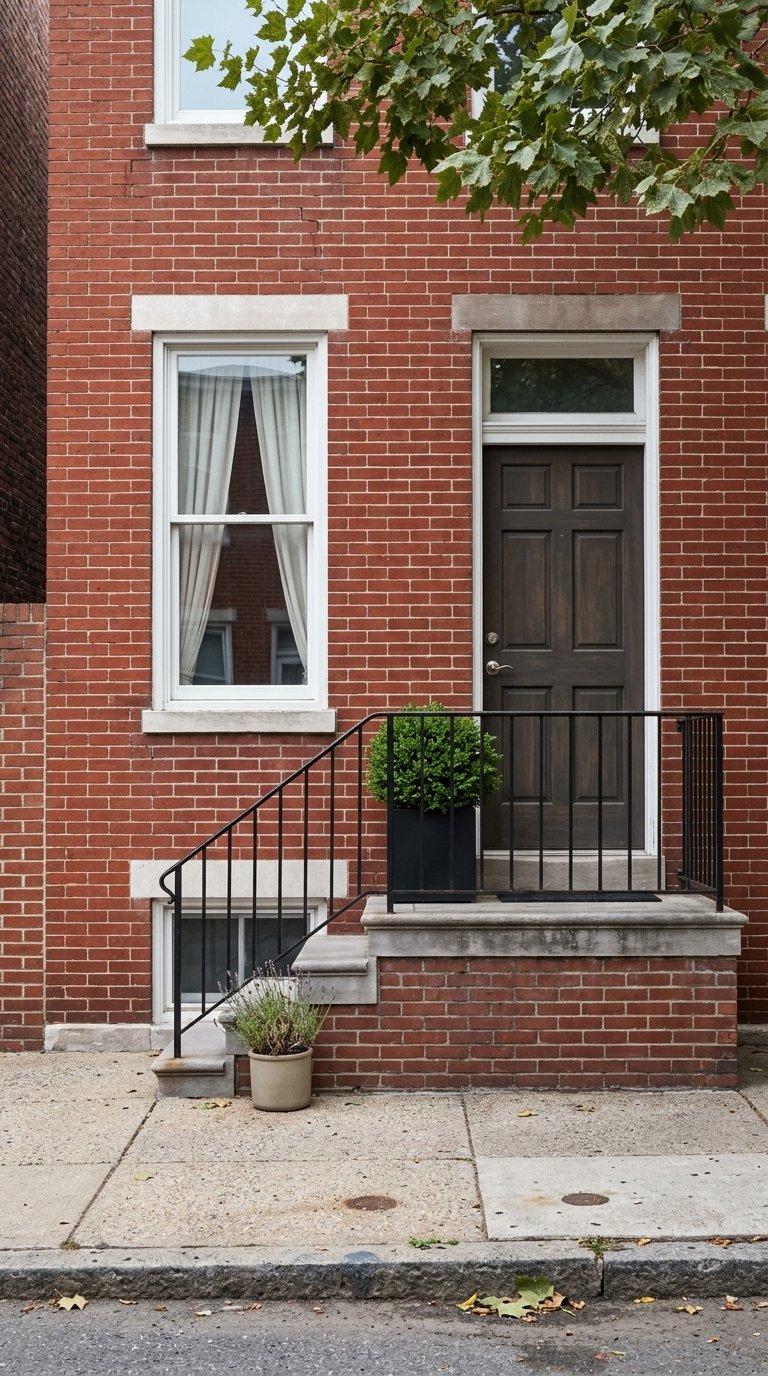
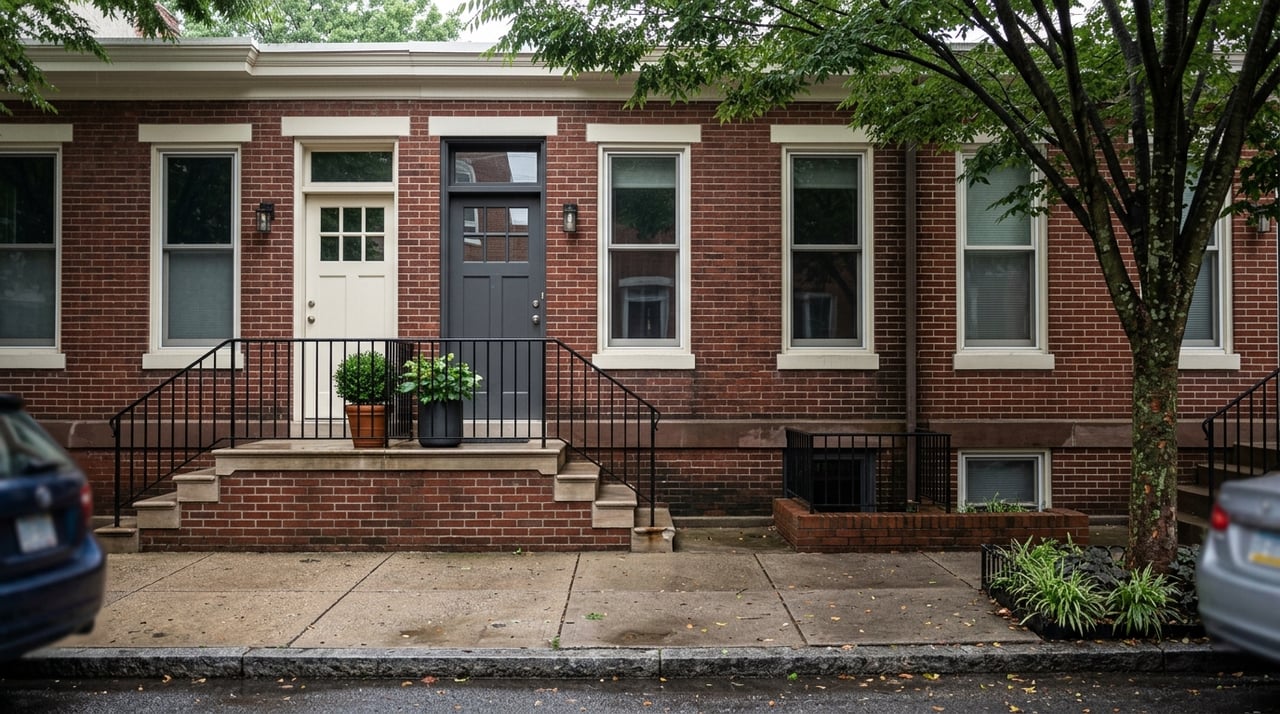
First impressions matter on Capitol Hill streetscapes. Focus on clean, intact details and sympathetic materials.
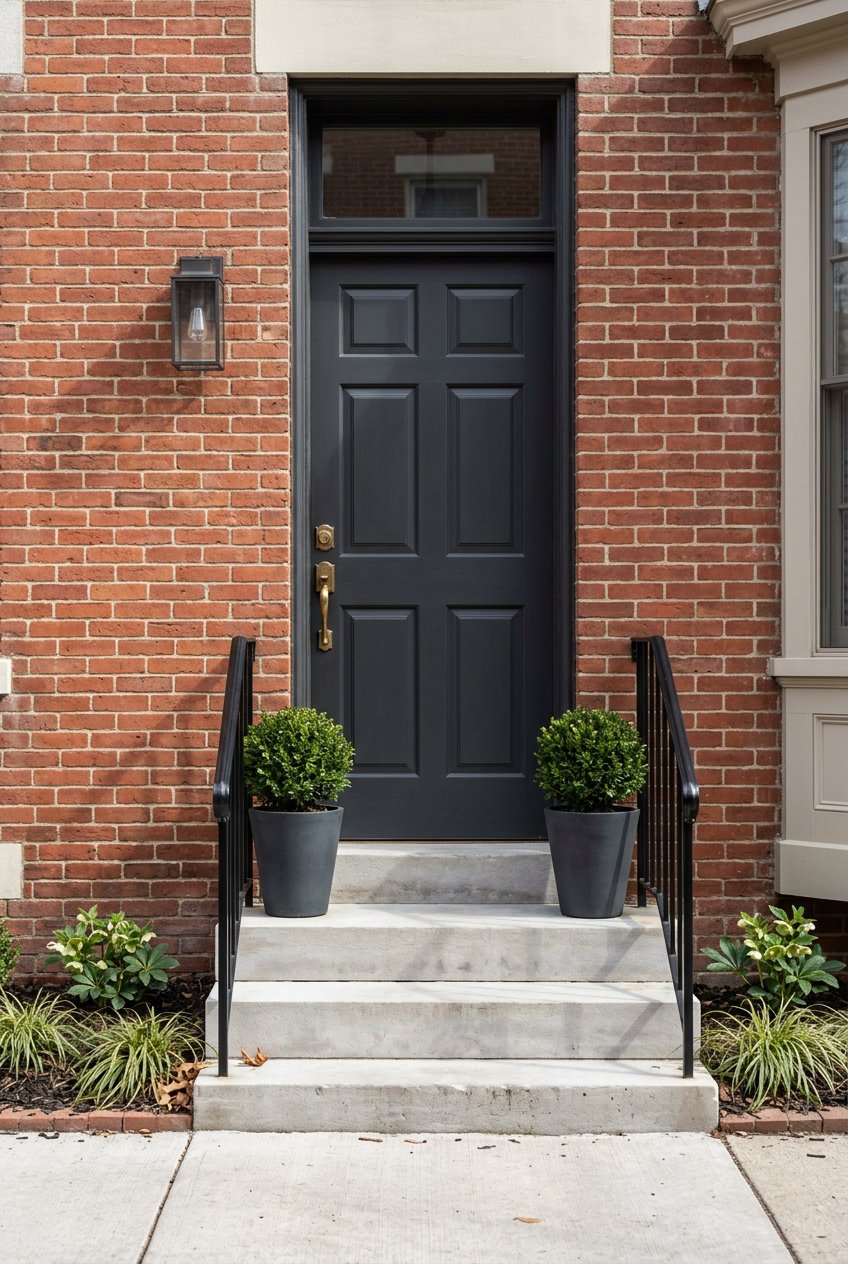
- Repaint the front door, update hardware, and repair thresholds or steps.
- Repoint masonry in-kind where needed. Keep plantings tidy with planters and swept stoops.
- Address railings and minor ironwork repairs.
Remodeling Magazine’s Cost vs. Value report consistently ranks entry improvements among the best cost recapture projects. In a historic district, avoid painting unpainted masonry or installing oversized, non-historic trim. See CHRS guidance for historically appropriate approaches.
Light renovations that pay sellers back
Minor kitchen refresh
Buyers want clean, functional kitchens, but a full gut rarely pays back right before sale. A midrange minor kitchen remodel often has one of the strongest national cost recoups, with the 2025 report showing a roughly 113 percent return on average. Good seller scopes include cabinet painting or refacing, new countertops, updated appliances, modern lighting, a fresh backsplash, and new hardware.
Permit tip: Keep the footprint and openings the same to avoid triggering full permits. Moving plumbing or circuits can require permits and slow timelines. Review typical permit triggers before you set scope.
Midrange bath updates
Bathrooms benefit from targeted improvements, not major reconfigurations. The 2025 Cost vs. Value report shows midrange bath projects with solid recoup, around 80 percent nationally. Focus on new vanity tops and faucets, fresh lighting, regrouting or new tile accents, and updated mirrors and hardware.
Floors and lighting
Consistent, well-kept flooring and layered lighting help spaces read larger and more modern. Refinish hardwoods where needed, replace damaged sections, and use warm, efficient fixtures. Paired with staging and great photography, this work supports faster, stronger offers. NAR’s staging research reinforces the payoff of these presentation upgrades.
Energy-smart fixes for a 6–18 month horizon
Window repair, not replacement, on the front
In the Capitol Hill Historic District, repair-first is preferred for historic windows. Sash repair, reglazing, weatherstripping, and interior or storm panels often deliver comfort without compromising historic fabric. Replacement on front elevations usually requires preservation review. See CHRS guidance on best practices.
HVAC and insulation upgrades
System updates appeal to buyers who value efficiency and predictable costs. The 2025 Cost vs. Value report shows HVAC conversion projects with about 72 percent national recoup. Out-of-pocket costs may be reduced by federal incentives under the Inflation Reduction Act and local programs through DCSEU and Pepco. Review the federal rebate overview and check the District’s resource hub for current local incentives and rebates.
Time these projects to align with incentive cycles and your listing window. They can be strong differentiators, especially in older rowhouses, even if not dollar-for-dollar on price.
Outdoor living that fits Capitol Hill
Usable, tidy outdoor space is a perk for Hill buyers who value walkable amenities. A simple rear patio, compact deck, or well-maintained yard can elevate your listing. Nationally, wood deck additions show strong cost recovery in the Cost vs. Value report, around 95 percent on average.
If your deck or exterior changes are visible from public space, expect preservation review on Capitol Hill. Start conversations early to keep your timeline on track. Prioritize durable materials, safe lighting, and planters that enhance function without large structural changes.
Projects to skip right before listing
- Large, upscale additions or luxury expansions. The Cost vs. Value report shows these often recoup poorly close to sale.
- Unapproved exterior changes in the historic district. These can delay your sale and may require costly reversals.
- Full kitchen reconfigurations that move plumbing or change openings unless timing and comps clearly justify the scope.
When in doubt, ask your agent to model list-price scenarios both with and without a project. Then decide based on time, cost, and likely buyer impact.
Funding and coordination options
Compass Concierge
If cash flow is tight, Compass Concierge can front the cost of services like staging, painting, flooring, landscaping, and select repairs, with repayment due at closing or at 12 months per program terms. Covered services and terms vary by market and listing agreement, and Compass discloses any affiliated relationships in its documentation. Review the program overview and confirm details with your agent so you understand vendors, fees, and repayment triggers.
Other approaches
You can self-fund work with savings or a HELOC, or scale back to do-it-yourself staging and quick fixes. For any permitted or exterior-visible project, hire contractors experienced with HPO processes. A local permit specialist can help keep filings on track. Review typical permit triggers for kitchens and structural work so your scope aligns with your sale window.
Your 6–18 month plan
Here is a simple timeline that fits Capitol Hill’s realities.
0–3 months: presentation first
- Declutter, deep clean, and repaint in warm neutrals.
- Replace dated lighting and faucets. Refresh cabinet hardware.
- Stage the living room, kitchen, and primary bedroom, then book professional photos. NAR finds these steps often reduce days on market.
3–6 months: fast, high-impact refreshes
- Minor kitchen updates: cabinet paint or refacing, new counters and backsplash, targeted appliance updates.
- Midrange bath: regrout, refresh vanity tops and lighting, new hardware.
- Curb appeal: front-door paint and hardware, stoop and railing repairs, tidy planters.
- Floors: refinish or repair damaged sections for a consistent look.
- These scopes are often top recoupers in the Cost vs. Value data and usually avoid complex permitting.
6–12 months: permitted or longer-lead work
- Window repair or historically appropriate replacement on visible façades. Coordinate with HPO.
- Porch or stoop restoration with material changes that need review.
- Modest deck or patio upgrades. Confirm whether visibility from public space triggers preservation review.
- HVAC or insulation projects timed to incentive availability. Start early to accommodate reviews and scheduling.
12–18 months: only if value justifies it
- Additions, major kitchen reconfigurations, and projects that may require zoning relief. Expect longer reviews and ANC or BZA involvement. Confirm uplift with comps before you commit.
Work with a local guide who knows the process
Selling a Capitol Hill home starts with knowing which upgrades pay and which ones don't on your specific block. Roger Taylor brings 11 years of DC market experience, block-level comp analysis, and access to Compass Concierge to help you build a pre-sale plan that fits your timeline and budget. Call or text 202.679.1750 or book a 30-minute conversation at rogertaylorsells.com/book30minutes.
FAQs
What pre-sale updates have the best ROI on Capitol Hill?
- National data highlights minor kitchen remodels, entry and curb appeal improvements, and midrange bath updates among the top recoupers, with staging and cleaning reducing days on market. See the Cost vs. Value report for project returns and NAR’s staging findings for speed-to-sale benefits.
Do I need a permit to change front windows in the Capitol Hill Historic District?
- Often yes. Front-elevation window changes are typically subject to historic review and DOB permitting in the district. Confirm your address on the official district map and plan scope with HPO guidance before ordering products.
How long do historic reviews take in Washington, D.C.?
- Staff reviews can take weeks, while HPRB board cases commonly add 6–12 or more weeks. With permits and inspections, allow 2–9 months for modest exterior-visible work, and 6–12 months for larger scopes. Build this into your listing timeline.
Can Compass Concierge cover staging and paint for my home?
- Yes. The program can front costs for services like staging, painting, flooring, landscaping, and select repairs, with repayment at closing or 12 months per program terms. Review the Compass Concierge overview and discuss local specifics with your agent.
Are rear decks or patios allowed on Capitol Hill rowhouses?
- Many are feasible, especially at the rear. If a deck or exterior change is visible from public space, expect preservation review on Capitol Hill. Plan early, choose modest, high-quality designs, and use the Cost vs. Value report to gauge likely recoup.
Sources linked in this guide:
- NAR staging impact report: https://www.nar.realtor/newsroom/nar-report-reveals-home-staging-boosts-sale-prices-and-reduces-time-on-market
- Cost vs. Value report: https://www.costvsvalue.com/
- Capitol Hill Historic District map: https://planning.dc.gov/sites/default/files/dc/sites/op/publication/attachments/CapHillHD.pdf
- HPRB/HPO public notices and process: https://content.govdelivery.com/accounts/DCWASH/bulletins/3e7e2be
- Permit triggers for kitchens/interiors: https://www.mcgpermits.com/dc-building-permit-blog/guide-to-kitchen-renovation-permits-in-washington-dc
- Preservation guidance for Capitol Hill: https://chrs.org/living-on-capitol-hill/hpoguidelines/
- Timeline basics for preservation projects: https://nmreg.net/blog/capitol-hill-historic-district-basics-for-homeowners
- Federal incentives overview: https://www.congress.gov/crs-product/R47980
- DC incentives hub: https://here2helpdc.dc.gov/
- Compass Concierge overview: https://www.compass.com/concierge/