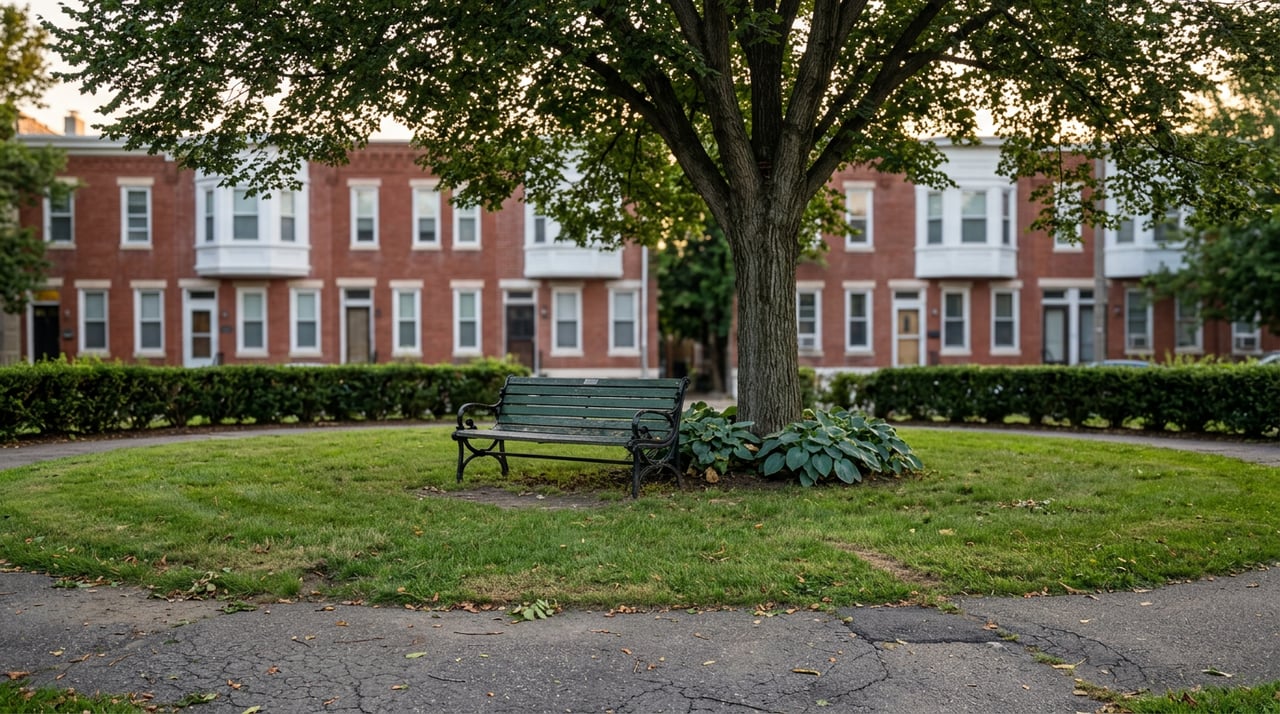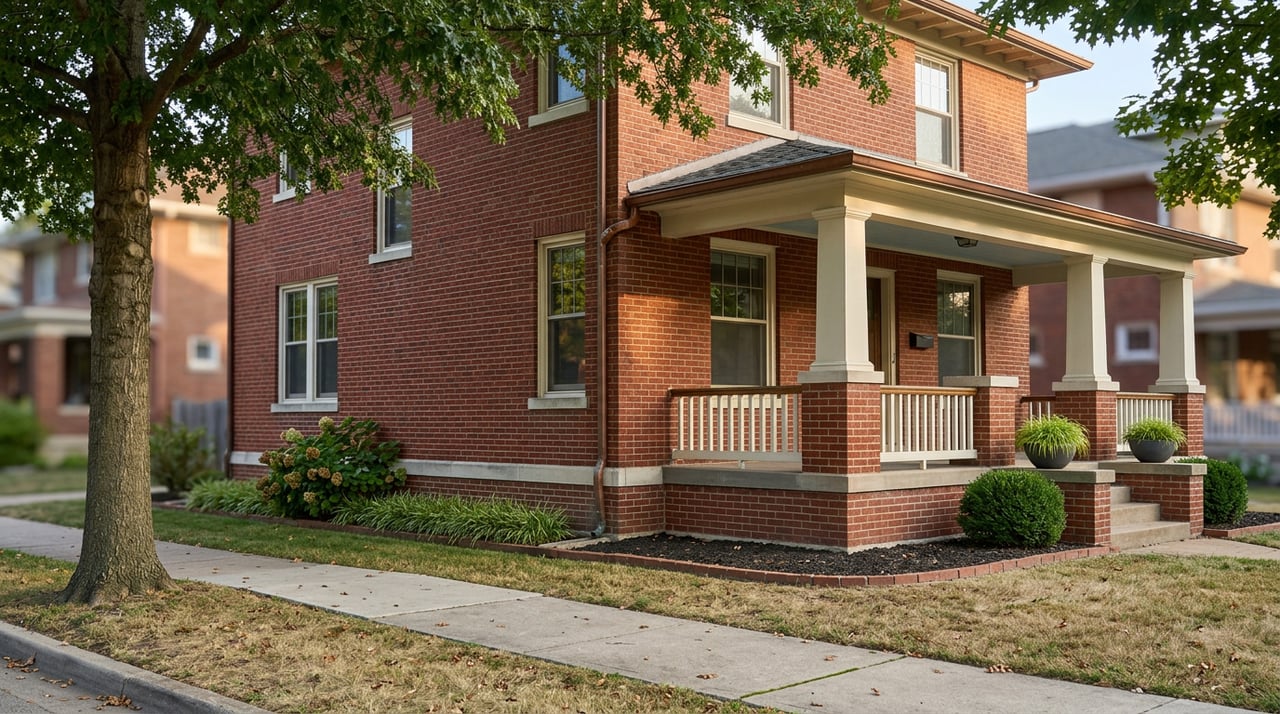
Eyeing a Chevy Chase single-family home and want to move fast without guesswork? Seller-ordered pre-inspections can give you a clear picture before you write an offer. You get more certainty on major systems, and you can shape your terms for speed. In this guide, you’ll learn what pre-inspections cover, what’s unique in Chevy Chase and DC, how they change offer strategy, and a simple framework to move quickly and confidently. Let’s dive in.
What pre-inspections cover
A pre-inspection is a home inspection ordered and paid for by the seller before or during the listing. It usually follows common standards of practice from professional associations and includes photos and narrative findings.
Typical scope includes structure, roof, exterior, plumbing, electrical, HVAC, interior, and safety issues. Many sellers add targeted tests to answer common buyer questions.
Common add-ons you may see:
- Radon testing with a continuous monitor
- Sewer lateral camera scope
- Wood-destroying insect or termite inspection
- Roof assessment, sometimes with a drone
- HVAC specialist review
- Mold testing or other lab-based sampling
From a buyer’s perspective, you benefit from upfront transparency and faster decision-making. Still, the seller’s inspector works for the seller. You should confirm credentials, how recent the report is, and whether the key add-ons that matter to you were completed.
Why sellers use them
Sellers in Chevy Chase often order pre-inspections to:
- Reduce buyer uncertainty and speed the sale.
- Price or repair proactively based on known issues.
- Limit renegotiation risk by disclosing a vetted report.
- Stand out to buyers who value speed and documentation.
A credible pre-inspection lets you write tighter timelines or even consider limited-scope inspections if that fits your risk tolerance.
Chevy Chase and DC rules to know
Chevy Chase includes many older, detached homes. Aging systems can be present, so focus on big-ticket items like electrical, plumbing, roofing, and masonry, along with foundations and HVAC.
Key context for this area:
- Lead-based paint: Federal law requires sellers of most homes built before 1978 to provide lead-based paint disclosures and the EPA/HUD pamphlet. Buyers typically have a 10-day opportunity to conduct a lead risk assessment or inspection unless they waive it in writing.
- Sewer lateral responsibility: In many urban settings, owners maintain the line from the house to the public sewer. Verify responsibility and whether a sewer scope was performed.
- Radon: Risk varies by block and construction type. If radon is a concern, testing with a continuous monitor is recommended and requires a multi-day window.
- Historic or protected properties: Exterior repairs or replacements may require review or approvals. Factor timeline and cost if the home is subject to restrictions.
Always confirm current DC disclosure rules and contract rights with your agent or local counsel, since forms and statutes can change.
Costs and timing at a glance
Prices vary by home size, age, and inspector. For single-family homes in the Chevy Chase and DC area, you’ll commonly see:
- General home inspection: about $350–$800
- Wood-destroying insect/termite: about $75–$250
- Radon test: about $150–$300
- Sewer lateral scope: about $200–$500
- HVAC or roof specialist: about $150–$400 each
- Mold or lab-based testing: about $300–$700+
Turnaround times:
- General inspection reports: same day to 24 hours
- Radon: 48–96 hours for monitoring plus reporting time
- Specialist lab tests: several days to a week
- Sewer scope: often same day or next day
Scheduling tips:
- Short-notice bookings can carry a premium.
- Radon needs a multi-day window, so start early.
- Access to cleanouts helps with sewer scopes and can speed results.
How recent is recent enough? A report’s usefulness declines with time and weather events. Many buyers consider reports from the past 60–180 days, but you should weigh age, seasonality, and any changes since the inspection.
Inspector vetting:
- Confirm licensing if applicable, E&O insurance, and membership in a recognized association.
- Review sample reports and verify scope and add-on capabilities.
How pre-inspections shape offers
Stronger, faster offer tools
A current, credible seller report often gives you room to tighten timelines and stand out:
- Shorter inspection contingency: 2–4 days instead of 7–10 when you already have a detailed report to review.
- Limited or scope-specific inspection: a brief consulting visit focused on safety and major systems.
- As-is with disclosure: some buyers accept known issues if pricing reflects them and the seller’s documentation is solid.
- Credits or allowances: sellers may fix safety or major items or offer a closing credit for deferred maintenance.
- Home warranty: a seller-paid warranty can reduce concern about immediate post-close failures.
Risks to weigh
- Reliance on a seller’s report: Your right to conduct your own inspection remains unless you explicitly waive it. If you waive, you lose a key contingency.
- Conflicting findings: If your inspector flags items not in the seller’s report, leverage your contingency language for repairs, credits, or termination as allowed.
- Disclosure duties: Pre-inspections do not replace federal or local disclosure requirements.
- Timeline for repairs: Repairs can add time, so request receipts, permits when applicable, and completion documentation.
Typical outcomes
- Seller repairs major or safety items before listing and documents the work.
- Seller offers a credit at closing instead of performing repairs on a tight timeline.
- Buyer proceeds as-is with a shorter, limited inspection and a home warranty.
- Buyer conducts a full inspection on an expedited schedule.
Items that often drive negotiations:
- Major: roof failure, structural concerns, active water intrusion, significant electrical hazards, HVAC or boiler replacement.
- Moderate: systems near end of life, localized mold, water stains with no active leak.
- Minor: cosmetic blemishes and small maintenance items.
A simple buyer framework
Use this four-step approach if you want speed and certainty in Chevy Chase:
- Evaluate seller transparency
- Is there a recent, complete inspection and any repair receipts? Is the inspector recognized, insured, and clear about scope? If yes, proceed. If no, plan for a full buyer inspection.
- Assess risk tolerance and offer strategy
- High speed with low risk tolerance: request repairs or credits for major items, ask for a home warranty, and keep a short but thorough buyer inspection focused on safety and major systems.
- Medium speed with moderate risk: accept the seller’s report, then order a focused consult inspection to confirm critical items.
- Lower speed with high caution: complete a full buyer inspection with a standard contingency.
- Decide on contingency window and scope
- If relying on the seller’s report, ask for your inspector to do a walkthrough or spot review, and set a short contingency window, commonly 48–72 hours, tied to major systems.
- If considering a waiver in a competitive scenario, document disclosures, repairs, and warranty coverage, and be clear on known items you are accepting.
- Verify and document
- Collect receipts, warranties, and permits for any work.
- Ensure the contract defines timelines, scope, what counts as a major defect, and the remedy options.
How Roger keeps you moving
Coordinating inspections quickly and well is a difference-maker. Here is how your process stays on track:
- Vetted local roster: Inspectors and specialists familiar with Chevy Chase homes, carrying E&O insurance and providing clear sample reports.
- Pre-set packages: General inspections plus add-ons like radon, sewer scope, WDI, HVAC, and roof so you can choose quickly.
- Early scheduling for time-sensitive tests: Radon monitors go in as soon as possible to avoid delays.
- Clear direction to inspectors: Specific concerns, access details, and any recent repair receipts or permits are shared in advance.
- Expedited deliverables: Same-day or 24-hour general reports when available, with parallel scheduling for specialists.
- Thorough documentation: Reports, photos, receipts, and warranties compiled and attached to your file.
- Backup options: At least two inspector teams on call for short notice, plus labs for quick environmental testing if needed.
The bottom line
Pre-inspections can deliver speed and confidence in Chevy Chase, especially for older homes where major systems deserve extra attention. Use the seller’s report to focus your due diligence, align your contingency window with your risk tolerance, and document everything. If you want a steady hand to coordinate the moving pieces and help you write a clean, competitive offer, connect with Roger Taylor.
FAQs
What is a seller pre-inspection in Chevy Chase, and should I still get my own?
- A pre-inspection is a seller-ordered report on the home’s condition; you typically retain the right to your own inspection unless you waive it, which many buyers still do for validation.
How long does a radon test take in DC homes?
- Most continuous monitor tests run 48–96 hours, followed by quick reporting, so plan your contingency timeline accordingly.
How recent should a pre-inspection be to rely on it?
- Many buyers consider reports from the last 60–180 days, but factor in weather events, system changes, and any new repairs since the report.
What does a sewer scope show, and who maintains the line?
- A camera scope checks the sewer lateral for damage or blockages; in many urban settings the homeowner maintains the lateral to the public main, so confirm responsibility and results.
Can I make an as-is offer and still protect myself?
- Yes, many buyers go as-is with strong disclosures, a short, limited inspection window, repair receipts, and a home warranty to address near-term failures.